Why Personal Property Coverage Matters in Beaumont
Personal property coverage is the part of a home insurance policy that helps pay to repair or replace the belongings inside a home after a covered loss. In Beaumont, that matters more than many people realize because a policy does not just protect the house itself. It may also help with furniture, clothing, electronics, kitchen items, and other everyday possessions that would be expensive to replace all at once. After a fire, wind event, theft, or certain types of water damage, the cost of rebuilding a household inventory can add up fast. This guide explains what is usually covered, where limits apply, and how Beaumont homeowners can review this coverage more carefully.
What This Coverage Is Designed to Do
Personal property coverage is meant to protect the items owned and used by the people living in the home, not the structure itself. Think of it as coverage for the contents of the house rather than the walls, roof, or attached systems. In most standard homeowners policies, the coverage applies when belongings are damaged or destroyed by a covered peril such as fire, smoke, lightning, vandalism, or theft. The exact list depends on the policy form, so reading the named perils or broader coverage wording matters. In a place like Beaumont, where storms and humidity can create complicated loss situations, knowing the cause of damage is just as important as knowing what item was damaged.
What Belongings Are Usually Included
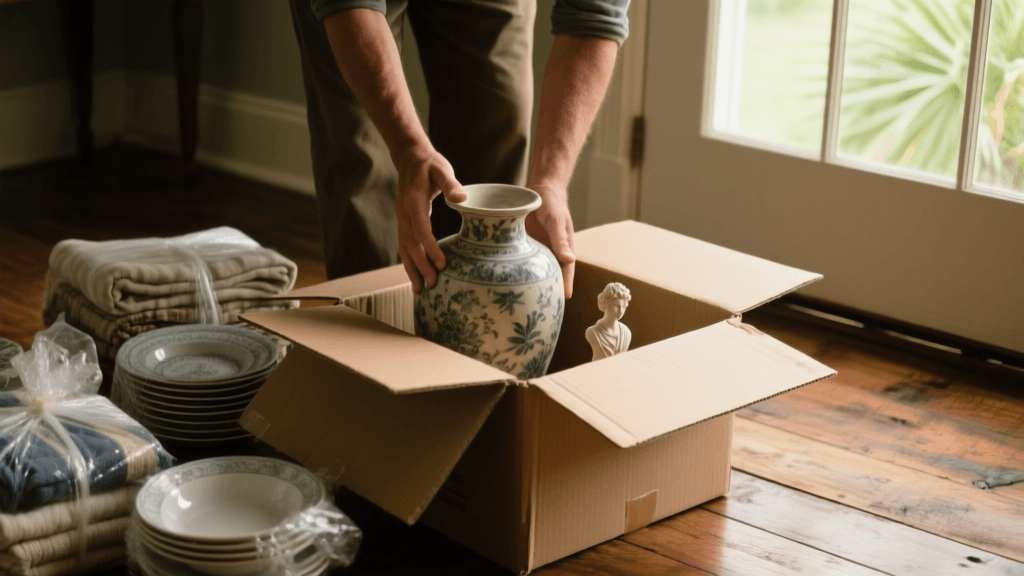
Most policies generally include a wide range of everyday household belongings. That can mean sofas, beds, tables, televisions, laptops, clothing, shoes, cookware, dishes, small appliances, toys, linens, and décor. It may also include items stored in closets, garages, and sometimes even belongings kept temporarily away from home, such as a child’s laptop in a dorm or luggage stolen during travel. For a Beaumont family, that could mean replacing a living room set, a home office setup, and school supplies after a serious house fire. The broad takeaway is that personal property coverage usually reaches further than many people assume, but every category is still subject to policy limits, exclusions, and deductibles.
What Is Not Automatically Covered Without Limits
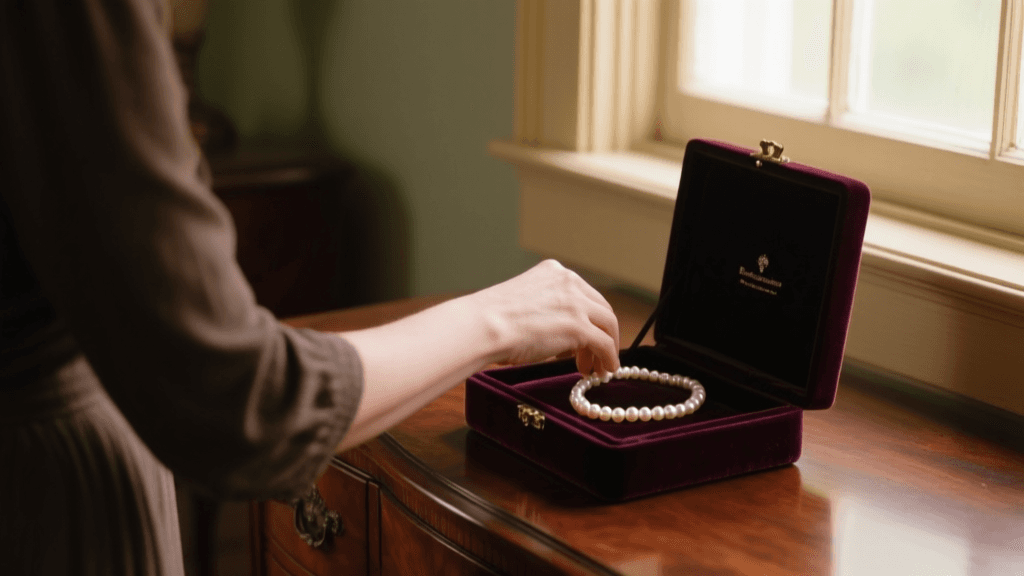
One of the biggest misunderstandings is thinking all belongings are covered up to the full policy amount no matter what they are. In reality, standard homeowners insurance often sets lower sublimits for high-value categories such as jewelry, watches, firearms, collectibles, silverware, cash, and sometimes business property kept at home. If a Beaumont homeowner owns an engagement ring, specialized tools, or a valuable coin collection, the standard policy limit may not come close to the real replacement cost. That is why scheduled personal property endorsements are important for certain items. These endorsements can provide higher limits and, in some cases, broader protection than a base policy offers on its own.
Replacement Cost Versus Actual Cash Value
Another key detail is how a claim is settled. Some policies cover belongings at actual cash value, which means depreciation is deducted based on age and condition. Others offer replacement cost coverage, which helps pay what it costs to buy a similar new item today, up to policy limits. That difference can be significant. A five-year-old television, mattress, or washer may have a low actual cash value even though replacing it in Beaumont stores or through current delivery pricing could cost much more. Homeowners who want less out-of-pocket expense after a loss often look closely at whether their personal property coverage includes replacement cost rather than only depreciated value.
How Covered Losses Can Affect a Claim
Coverage depends not only on the item, but on what caused the loss. If a covered storm damages part of a home and rain enters afterward, some personal property damage may be covered, while flooding from rising water generally requires separate flood insurance. That distinction is especially important in and around Beaumont, where heavy rain, tropical weather, and drainage issues can all play a role. A theft claim may cover stolen electronics and clothing, but gradual wear, mold from long-term moisture, or neglected maintenance are usually different issues. When reviewing a policy, homeowners should ask not just what belongings are covered, but which causes of loss trigger payment for those belongings.
Why Beaumont Homeowners Should Review Their Limits
Beaumont homeowners often underestimate the value of what they own because they think in terms of single items instead of total household replacement. A quick walk through a home in Beaumont, Vidor, or Nederland can reveal thousands of dollars in bedroom furniture, electronics, clothing, kitchen gear, tools, and personal items before counting any higher-value property. Add children’s belongings, hobby equipment, patio furniture, and home office devices, and the total climbs quickly. Because Southeast Texas households may also keep extra supplies for storm season, some homes carry even more contents value than expected. Reviewing limits once a year and after major purchases can help prevent unpleasant surprises during a claim.
Key Takeaways for Reviewing Personal Property Coverage
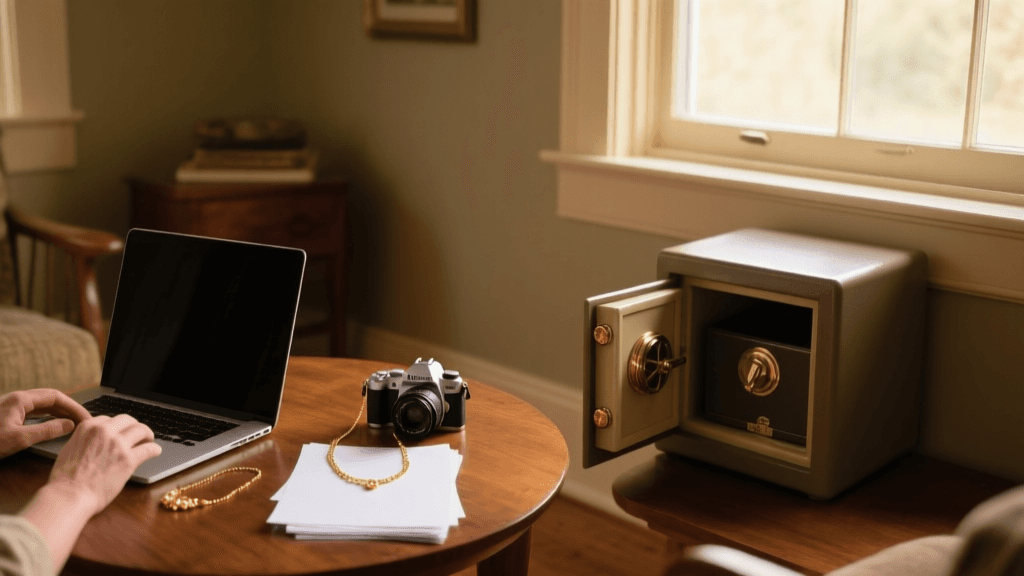
- Start a home inventory with photos, receipts, and rough replacement estimates so it is easier to support a claim after a loss.
- Check whether the policy pays actual cash value or replacement cost, because that directly affects how much reimbursement may be available.
- Look for sublimits on jewelry, firearms, collectibles, electronics, and business property, since special categories may need added coverage.
- Review which causes of loss are covered and where separate protection, such as flood insurance, may be needed in Beaumont.
- Update coverage after renovations, major purchases, or lifestyle changes so the policy better reflects what is actually in the home.

Local Factors That Make This Coverage More Important
In Beaumont and nearby communities like Port Arthur, Orange, Lumberton, and Bridge City, weather risk is part of everyday insurance planning. Wind-driven rain, severe thunderstorms, and hurricane-season preparation all shape how residents think about protecting both homes and belongings. Theft concerns can vary by neighborhood, and longer power outages after storms may also complicate losses involving food spoilage or damaged electronics. Even when two homes have the same dwelling coverage amount, their contents exposure may look very different depending on family size, work-from-home equipment, and stored property. That is why local homeowners benefit from looking beyond the building itself and treating personal property coverage as a major part of overall protection.
What to Do Before You Need to File a Claim
The best time to understand personal property coverage is before there is any damage or theft. Beaumont homeowners should review the declarations page, look at the personal property limit, confirm how losses are settled, and identify any categories with reduced coverage. Creating a room-by-room inventory on a phone can make the process easier and provide valuable documentation later. It also helps to save serial numbers for electronics and appraisals for valuables. When it is time to compare home insurance options, focus on more than price alone. The smarter approach is to compare limits, exclusions, endorsements, deductibles, and claim settlement methods so the policy protects the belongings that matter most.
Compare Beaumont Home Insurance Coverage Carefully
Before choosing a policy, review personal property limits, special item coverage, and replacement options to find protection that fits your home and belongings.
Get a Free Quote