Why Wind and Hail Coverage Matters in Beaumont
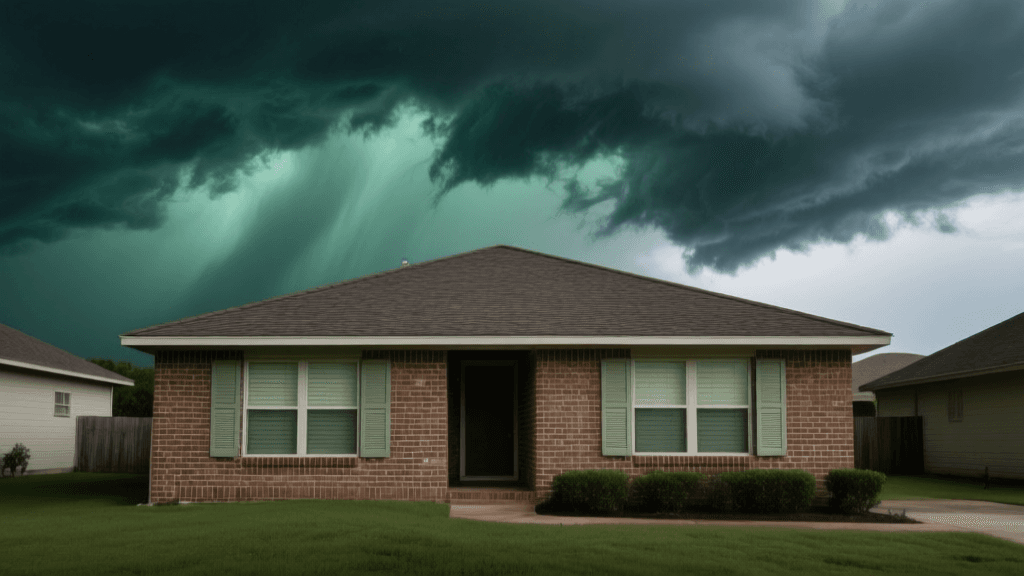
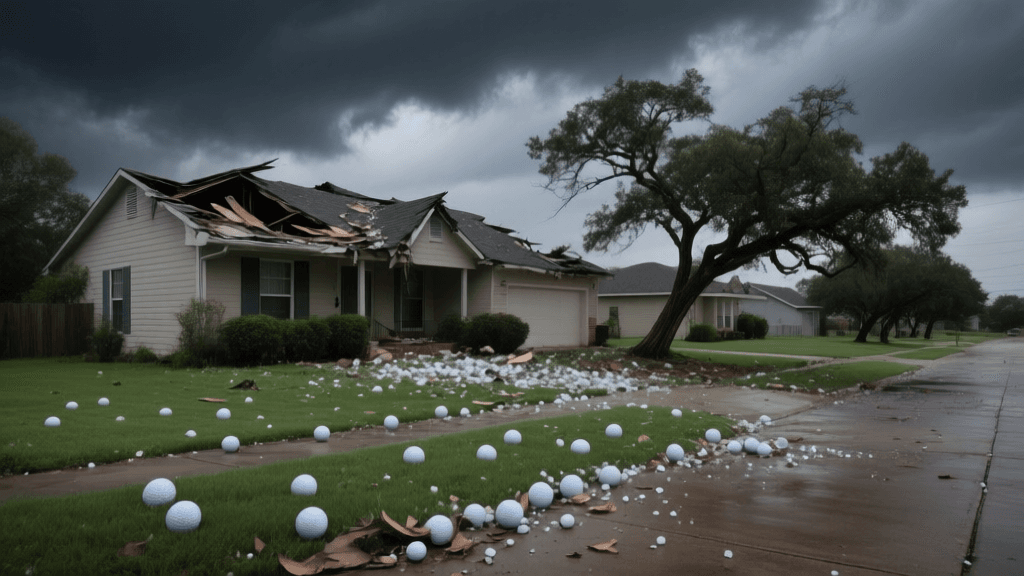
For homeowners in Beaumont, wind and hail coverage is not a minor policy detail. It is one of the most important parts of home insurance because Southeast Texas regularly deals with strong thunderstorms, tropical systems, straight-line winds, and damaging hail. A single storm can tear shingles from a roof, crack siding, break window screens, and send water into the attic long before a homeowner realizes how serious the loss is. This guide breaks down what wind and hail coverage usually means, how deductibles often apply, and what Beaumont homeowners should review now so there are fewer surprises after the next storm moves through Jefferson County.
Storm Risk Is a Real Part of Homeownership in Southeast Texas
Beaumont sits in a part of Texas where weather risks overlap. Residents may face intense spring hail, summer tropical weather, and fall storm activity, sometimes all in the same policy year. Homes in older neighborhoods may have aging roofs or mature trees that add to claim severity, while newer subdivisions can still be vulnerable to uplifted shingles and wind-driven rain. Nearby communities like Vidor, Orange, Port Arthur, and Nederland often see similar storm patterns, which is why insurers pay close attention to this region. Understanding local weather history helps explain why wind and hail deductibles, roof conditions, and claim documentation matter so much when selecting or renewing coverage.
What Wind and Hail Coverage Usually Pays For
In many homeowners policies, wind and hail coverage helps pay for sudden physical damage caused by covered storms. That can include roof shingles torn away by high winds, hail bruising that shortens the roof's life, damaged gutters, broken windows, dented metal components, and interior water damage that results from storm-created openings. Coverage may also extend to detached garages, fences, or storage buildings, depending on the policy structure. The key point is that coverage is meant for accidental, direct storm damage, not wear and tear or neglected maintenance. If a roof was already near the end of its useful life, the claim outcome may look very different than it would for a well-maintained roof with clear storm-related damage.
Why Deductibles Need Extra Attention
One of the biggest misunderstandings involves deductibles. Many Beaumont homeowners expect the same flat deductible to apply to every claim, but wind and hail losses may have a separate deductible that is higher than the all-perils deductible. In Texas, it is common to see this deductible expressed as a percentage of the dwelling coverage rather than a simple dollar amount. For example, a 2 percent deductible on a home insured for $300,000 means the homeowner could be responsible for $6,000 before insurance begins paying covered repairs. That is a major budget issue, especially after a roof loss. Reviewing the deductible before storm season is just as important as reviewing the coverage limit itself.
Roof Settlement Terms Can Change a Claim Outcome
Not every policy pays roof claims the same way. Some policies settle roof damage on a replacement cost basis, while others may use actual cash value for older roofs, which subtracts depreciation. For a Beaumont homeowner, that difference can be significant after a hailstorm. A replacement cost settlement is generally more favorable because it helps cover the cost to install comparable new materials, subject to the deductible and policy terms. Actual cash value can leave the homeowner paying much more out of pocket if the roof is older. It is also important to ask whether cosmetic damage to metal roofing, vents, or gutters is treated differently, because some policies limit payment when dents affect appearance but not function.
Local Factors That Affect Beaumont Homes
Wind and hail exposure in Beaumont is shaped by more than just storm forecasts. Home age, roof material, tree coverage, drainage patterns, and proximity to open areas all influence how a property handles severe weather. In neighborhoods with older housing stock, even moderate hail can expose weak spots around flashing, vents, and decking. In places like Lumberton, Silsbee, Bridge City, and Groves, homeowners may also deal with tree limb impacts or wind-driven debris during stronger storms. Coastal influence from nearby Port Arthur and Orange can add another layer of concern when tropical weather pushes bands of severe wind inland. These local conditions make it especially important to match coverage choices to the actual construction and exposure of the property.
What to Do Before and After a Storm
Key Takeaways for Homeowners
- Review the declarations page and confirm whether wind and hail has its own deductible, especially if it is shown as a percentage of dwelling coverage.
- Check how the roof is settled under the policy, because replacement cost and actual cash value can lead to very different out-of-pocket costs after a hail claim.
- Document the home's condition with current photos of the roof, siding, windows, fencing, and exterior structures before storm season begins.
- After a storm, take safe photos from the ground, note the date and time of loss, and arrange a prompt inspection if shingles, gutters, or ceilings show signs of damage.
- Keep records of temporary repairs and receipts, since reasonable steps to prevent further damage may support a smoother claims process.

How to Compare Coverage Before the Next Storm
The smartest next step is to compare policy details before a storm is on the radar. Beaumont homeowners should look beyond premium alone and review deductible structure, roof settlement terms, dwelling limit adequacy, exclusions, and coverage for detached structures or additional living expenses if the home becomes temporarily unlivable. It also helps to ask how claims are handled when wind opens the roof and rain enters the house, since that is a common real-world scenario in Southeast Texas. Whether a home is in Beaumont, Vidor, Kountze, China, or Nederland, a careful policy review can reveal gaps that are easy to miss. Getting quotes and comparing terms side by side is often the clearest way to find coverage that fits the property's actual storm risk.
Compare Wind and Hail Coverage Options
Review quotes carefully and compare deductibles, roof terms, and storm protection details before the next Beaumont weather event.
Get a Free Quote