When Temporary Housing Becomes Part of a Home Claim
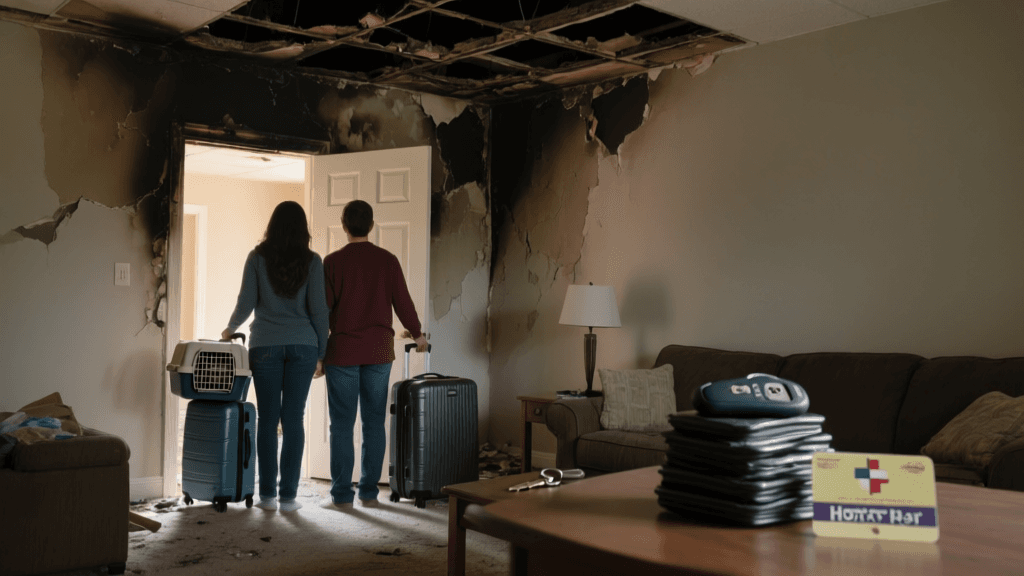
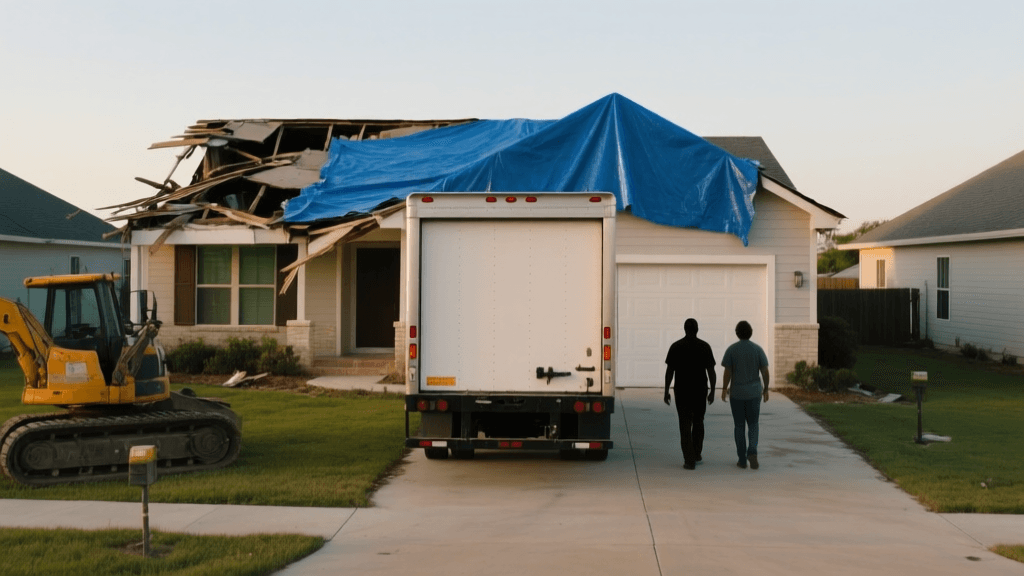
A serious home insurance claim can disrupt daily life fast. In Beaumont, a house may become unlivable after wind-driven rain, a kitchen fire, plumbing damage, or a burst pipe during a rare freeze. When that happens, temporary housing becomes more than a convenience. It becomes part of keeping work, school, pets, medications, and basic routines on track while repairs begin. Many homeowners know their policy covers damage to the house, but fewer understand how temporary living costs are handled. This guide breaks down what to expect, what to track, and how Beaumont residents can make practical decisions during a stressful claim.
Why This Matters in Beaumont
Beaumont homeowners deal with risks that can force a sudden move-out, including Gulf Coast storm systems, heavy rain, localized flooding concerns, fallen trees, and electrical damage after severe weather. Older homes in established neighborhoods may also face longer repair timelines when materials, permits, or specialized contractors are needed. In Jefferson County, even a claim that starts small can expand once drywall is opened and moisture, smoke residue, or wiring issues are found. That is why understanding temporary housing early matters. A family that waits too long to review coverage or save receipts can end up frustrated, under-documented, and unsure which living costs may qualify for reimbursement.
Understand Loss of Use Coverage Before You Book a Place
The part of a homeowners policy that usually helps with temporary housing is often called loss of use coverage or additional living expense coverage. In simple terms, it may help pay the extra cost of living somewhere else when a covered claim makes the home unfit to live in. The key word is extra. If a family normally spends a certain amount on groceries, the policy may consider only the increase above that normal amount if meals now come from restaurants or a hotel setup. Before signing a long stay hotel agreement or short-term lease in Beaumont, ask the adjuster what living arrangements are considered reasonable and what expense limits apply.
Choose Housing That Fits the Claim and Your Daily Routine
The best temporary housing option depends on how long repairs may take and what your household needs each day. A hotel may work for a few nights after sudden damage, but a furnished apartment or short-term rental can make more sense if reconstruction will take weeks or months. Beaumont residents should think about commute times, school boundaries, pet rules, parking, laundry access, and kitchen use before deciding. Staying near home can also make it easier to meet inspectors, contractors, and mitigation crews. If relatives in Vidor, Nederland, or Lumberton offer space, compare that option carefully with paid lodging, especially if insurance is only covering necessary increased costs.
Track Every Extra Expense From Day One
One of the most helpful claim habits is keeping a clean record of all temporary housing costs from the beginning. Save hotel folios, rental agreements, meal receipts, pet boarding invoices, laundry costs, mileage tied to the displacement, and any utility charges connected to the temporary stay. It also helps to separate normal household spending from added claim-related spending, since reimbursement often depends on the difference between the two. A simple folder, spreadsheet, or notes app can make a big difference. If a family from Beaumont has to stay in Port Arthur or Orange because nearby lodging is full after a storm event, that detail should be documented as well.
Ask Clear Questions About Time Limits and Payment Process
Temporary housing problems often come from assumptions, not just coverage limits. Some homeowners expect direct billing for lodging, while others assume they will be reimbursed later. Some think coverage lasts until they personally feel ready to move back, while the policy may tie benefits to the reasonable repair period. Ask the adjuster how payments are issued, whether approvals are needed in advance, and what to do if repairs are delayed by materials, weather, or contractor availability in Beaumont. It is also smart to ask what happens if the first housing choice stops working, such as when a hotel becomes too expensive or a rental cannot extend the stay.
Local Issues That Can Affect Temporary Housing in Beaumont
In Beaumont, local conditions can shape temporary housing decisions more than many people expect. Storm seasons can tighten room availability across nearby communities like Groves, Bridge City, and Port Arthur, especially when many households are displaced at once. Families may also want to stay close to a damaged property to monitor cleanup, protect belongings, or meet restoration crews. Traffic patterns, school transportation, and access to medical providers can matter just as much as nightly rates. For households in outlying areas like Kountze, Silsbee, or China, a temporary move into Beaumont may actually simplify logistics. The most practical housing choice is not always the cheapest one on paper.
Key Takeaways for Displaced Homeowners
What To Focus On
- Confirm that the home is considered unlivable due to a covered loss before assuming temporary housing costs will be reimbursed.
- Ask how loss of use or additional living expense coverage works, including dollar limits, time limits, and whether preapproval is required.
- Choose housing based on repair timeline, family needs, pet rules, kitchen access, and distance from the damaged Beaumont property.
- Save every receipt and track the added cost above normal living expenses, since insurance often pays the increase rather than every total bill.
- Stay in regular contact with the adjuster if repairs are delayed, lodging rates change, or the first temporary housing option no longer fits.

What To Do Next After the Initial Move
Once immediate housing is secured, the next step is staying organized while the claim develops. Keep a written timeline of inspections, contractor visits, mitigation work, and repair estimates. Take photos of the damaged home before major cleanup if it is safe to do so, and keep communication records related to housing approvals and expense questions. Review the policy language carefully so you understand how temporary housing fits into the broader claim. For Beaumont homeowners comparing policies after a difficult loss, it may also be worth looking closely at dwelling limits, deductibles, and loss of use coverage levels before renewal. Good temporary housing support can make a major difference when the unexpected happens.
Compare Home Insurance Options Carefully
If you are reviewing coverage after a claim, compare policy details, temporary housing provisions, and deductibles before choosing your next quote.
Get a Free Quote