Why ALE Coverage Matters After a Home Loss
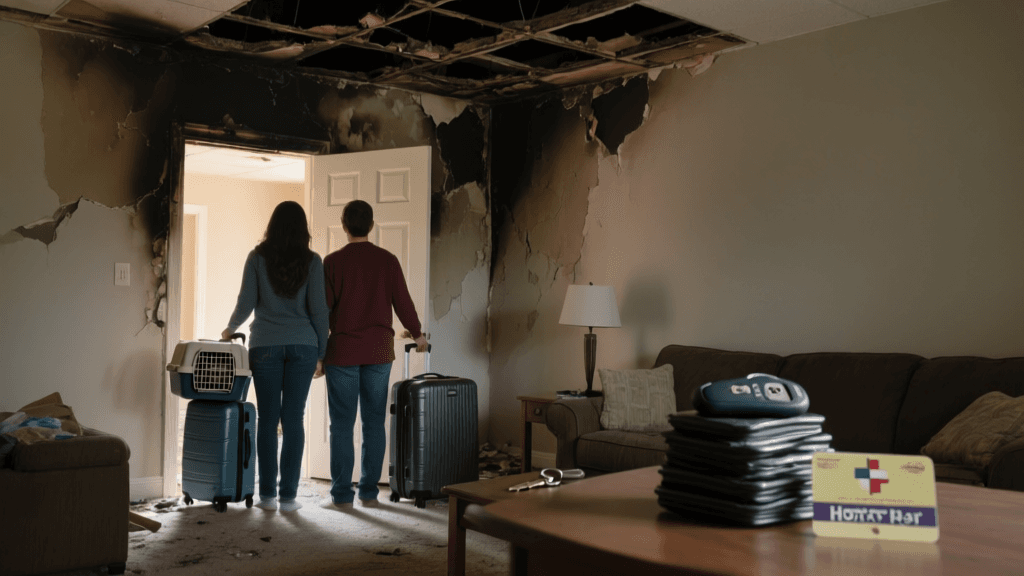
When a covered claim leaves a home in Beaumont unsafe or impossible to live in, Additional Living Expenses coverage, often called ALE or loss of use coverage, can become one of the most important parts of a homeowners policy. It is designed to help pay the extra costs of living elsewhere while repairs are completed. That can mean a hotel stay after a kitchen fire, temporary rent after storm damage, or added meal costs when a family no longer has access to a working kitchen. For homeowners dealing with sudden disruption, understanding how ALE works before a claim happens can make the recovery process less stressful and more predictable.
Why This Coverage Is Especially Relevant in Beaumont
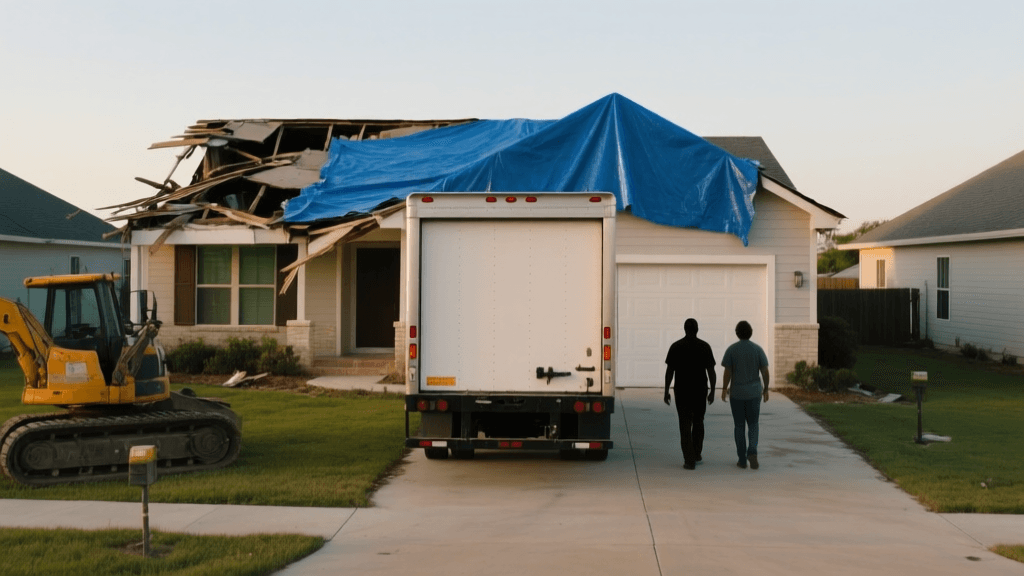
In Beaumont, home damage often follows events that do more than harm the structure itself. Wind-driven rain, plumbing leaks, electrical fires, and severe thunderstorms can make a house temporarily uninhabitable even when the damage looks limited from the outside. In some cases, repairs require flooring removal, mold remediation, or utility shutoffs that prevent normal daily living. Homes near Port Arthur, Orange, and Nederland may face similar issues after Gulf Coast weather moves through Southeast Texas. Because repair timelines can stretch due to contractor demand, material delays, or regional storm activity, ALE coverage can play a major role in keeping day-to-day costs manageable while a covered claim is being resolved.
What Additional Living Expenses Usually Pay For
ALE generally pays the reasonable increase in living costs a household faces after a covered loss. The key word is increase. If a Beaumont family normally spends a certain amount on housing, food, and commuting, the policy may reimburse the extra amount above that normal baseline when they have to live elsewhere. Common examples include hotel bills, short-term apartment rent, extra restaurant costs when cooking is not possible, pet boarding if temporary housing does not allow animals, laundry expenses, parking fees, and added mileage to work or school. Policies often focus on costs that maintain a household’s normal standard of living, not luxury upgrades or optional spending that goes beyond what is necessary during repairs.
Temporary Housing Is Often the Largest ALE Expense
The biggest ALE cost is usually temporary housing. Depending on the damage, that could be a hotel in Beaumont for a few nights, an extended-stay suite in Port Arthur, or a month-to-month rental in Lumberton or Vidor while major repairs are underway. Insurers typically look for housing that is reasonable for the size of the household and close enough to daily obligations like work, school, and medical care. If a home has specialized needs, such as accessibility features or space for children, that can affect what is considered reasonable. Homeowners should keep every invoice, confirm what lodging is approved, and ask whether direct billing is available before assuming all relocation costs will be reimbursed automatically.
Meals, Transportation, and Daily Costs Can Also Count
Many people think ALE only pays for a hotel, but daily household costs matter too. If a family from Beaumont is staying somewhere without a full kitchen, restaurant meals may create a real increase over their normal grocery budget. If the temporary location adds miles to school drop-off, work commutes, or trips back to the damaged property, extra fuel and transportation costs may also qualify. The same can apply to storage fees, added utility setup charges, or coin laundry when those are new expenses caused by the covered loss. The best approach is to track what was normally spent before the claim and compare it to new spending during displacement, because ALE often reimburses the difference rather than the full amount of every receipt.
What ALE Usually Does Not Cover
ALE is helpful, but it is not unlimited and it does not apply to every situation. It usually will not pay if the home is still livable and the inconvenience is minor, such as one damaged room that does not prevent safe occupancy. It also generally does not cover improvements in lifestyle, entertainment spending, or a larger and more expensive setup than the household reasonably needs. Just as important, ALE is tied to a covered loss under the policy. If the repair issue stems from excluded damage, routine maintenance, or wear and tear, the temporary living costs may not be covered either. Reading the policy’s loss of use section and asking how limits and time restrictions apply can prevent unpleasant surprises during a stressful claim.
How Beaumont Conditions Can Affect a Claim
Local conditions in Beaumont can shape how long a household needs ALE and how much it may cost. After heavy storms or widespread water damage events, nearby lodging can fill up quickly across Beaumont, Groves, Nederland, and Orange, pushing families farther from home. High humidity can also complicate drying and restoration, especially when flooring, drywall, or insulation must be removed before rebuilding begins. In older homes, repair crews may find hidden issues once work starts, extending the timeline. Families with children in Beaumont ISD or those commuting to jobs in Port Arthur or Bridge City may need housing that keeps routines stable. Those practical realities are exactly why documenting local availability, travel needs, and repair delays can strengthen an ALE claim.
Key Takeaways for Using ALE Wisely
Important ALE Reminders
- ALE usually pays the extra cost of living elsewhere after a covered loss makes the home uninhabitable, not every household expense in full.
- Temporary housing, increased meal costs, added transportation, storage, laundry, and some pet boarding costs may qualify when they are reasonable and documented.
- Keep receipts, hotel folios, rental agreements, mileage logs, and notes showing what the household normally spent before the loss.
- Ask early about policy limits, time limits, reimbursement rules, and whether the insurer requires approval before booking lodging or signing a short-term lease.
- Local repair delays in Beaumont and surrounding areas can affect how long ALE is needed, so written updates from contractors are useful.

Smart Next Steps Before and During a Claim
Homeowners in Beaumont should review the loss of use section of their policy before a claim ever happens, paying attention to coverage limits, exclusions, and whether reimbursement is based on actual additional costs incurred. During a claim, the most practical step is to communicate early and often with the adjuster, confirm what temporary arrangements are considered reasonable, and save every supporting document. It also helps to create a simple running log of dates, repair progress, and out-of-pocket spending. If a household is comparing home insurance options, ALE limits deserve the same attention as dwelling coverage and deductibles. A lower premium can look less appealing if temporary housing protection is too limited for real repair conditions in Beaumont.
Compare Home Insurance Details Carefully
Before choosing a policy, review how Additional Living Expenses coverage works so temporary housing and daily costs are easier to manage after a covered loss in Beaumont.
Get a Free Quote