Why This Distinction Matters in Beaumont
Many Beaumont homeowners use the phrase water damage as if every leak, overflow, or rising-water event is handled the same way by insurance. It usually is not. One of the most important distinctions in a home policy is the difference between water backup and flood damage, because the source of the water often determines whether a claim is covered, excluded, or covered only with an added endorsement. In a place like Beaumont, where intense rain, low-lying areas, drainage issues, and tropical weather are part of life, understanding that difference can save homeowners from expensive surprises after a storm or plumbing event.
How Insurers Usually Define Water Backup and Flood Damage
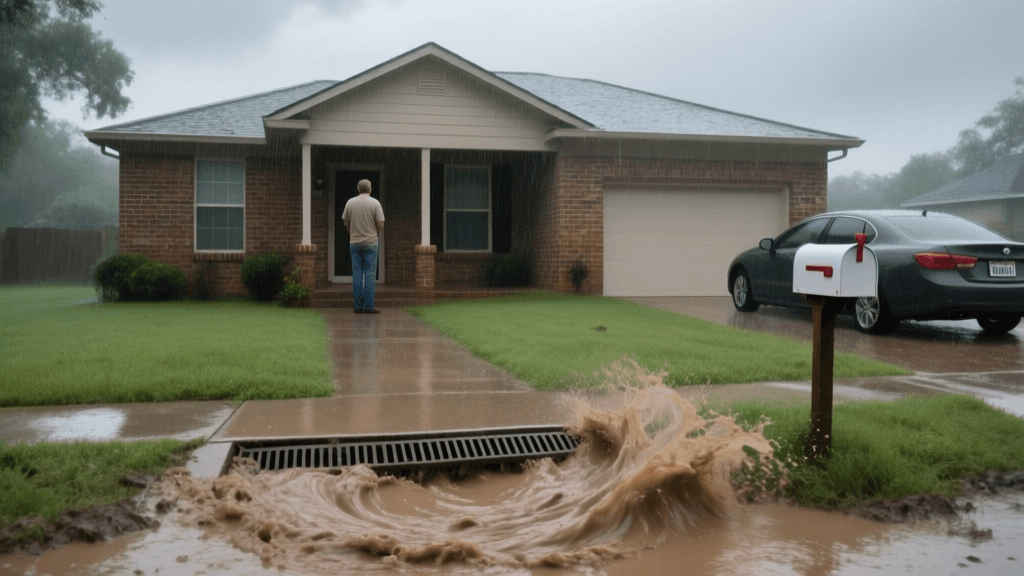
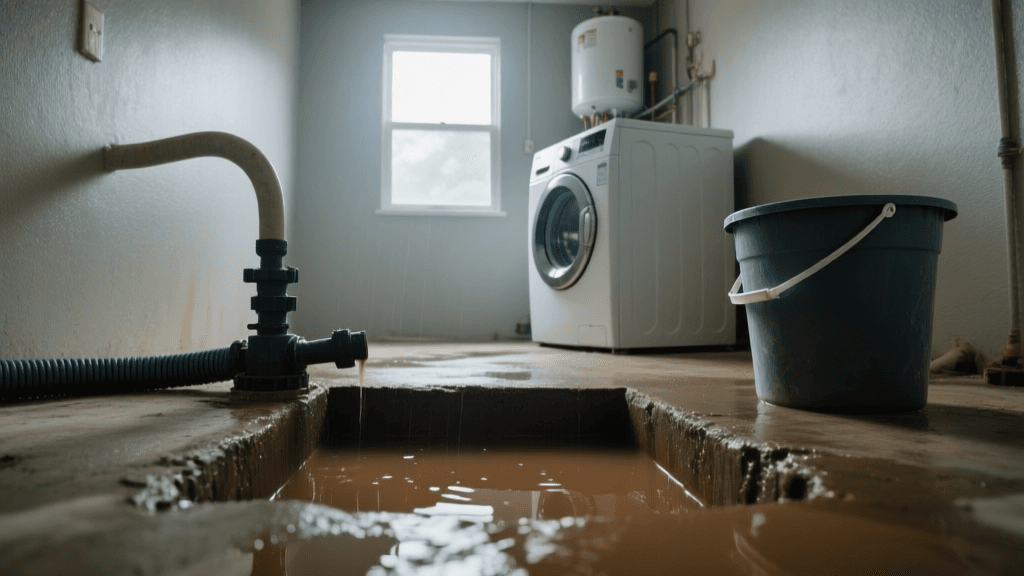
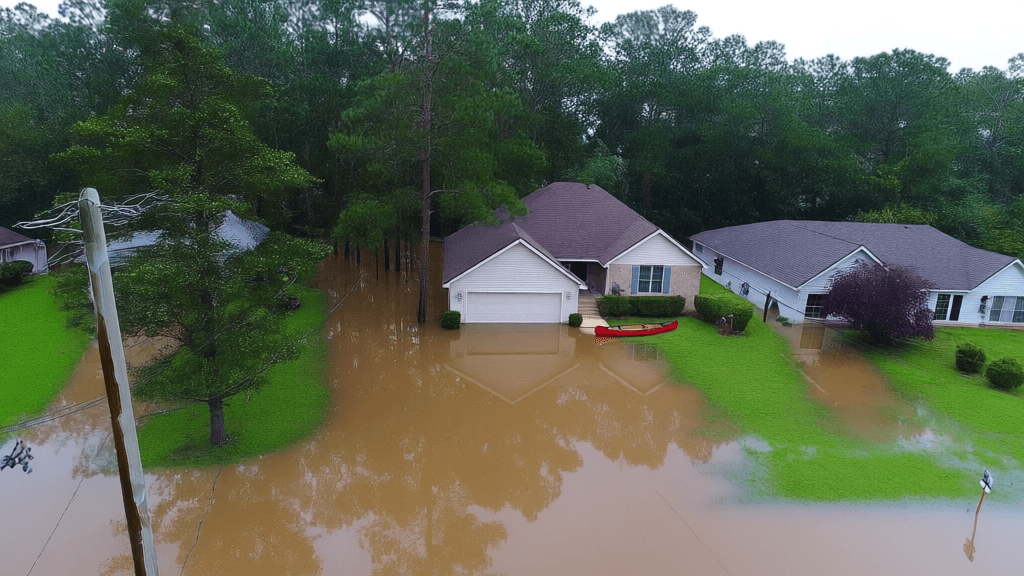
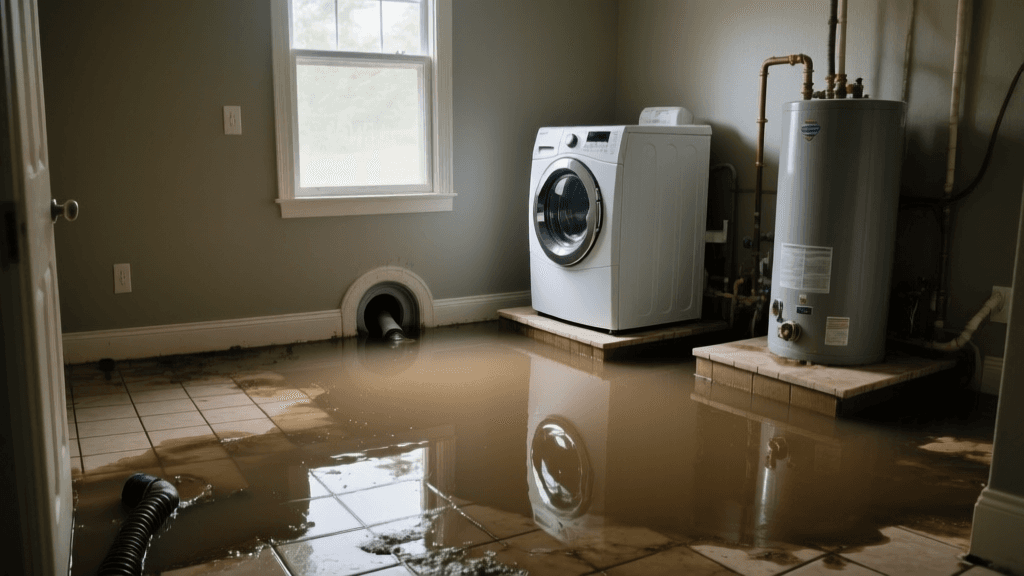
Water backup generally refers to water or sewage that backs up through drains, toilets, sump systems, or sewer lines and enters the home from inside or below the structure. Flood damage is usually defined very differently. It typically involves water rising onto normally dry land and affecting two or more properties or a broader area, such as after heavy rain, overflowing ditches, or storm surge. That means a backed-up shower drain in Beaumont and standing water entering from the street during a major rain event may look similar after the fact, but they are often treated under entirely different insurance rules.
What a Standard Homeowners Policy Often Covers
A standard homeowners policy may cover certain sudden and accidental water losses, such as a burst interior pipe or an appliance hose that fails unexpectedly. However, many policies do not automatically include coverage for sewer or drain backup, and they also exclude flood damage from rising surface water. Homeowners in Beaumont should not assume that because they have home insurance, every water event is covered. Policy language, endorsements, deductibles, and the exact cause of loss all matter. Reviewing the declarations page and water-related exclusions before hurricane season or a major thunderstorm period is a practical step that can clarify where gaps exist.
When Water Backup Coverage Becomes Important
Water backup coverage is often added by endorsement, and it can be especially valuable for homes with older plumbing lines, heavy tree-root intrusion, low drain elevations, or neighborhoods that see overloaded municipal systems during hard rains. In Beaumont, older homes and properties in areas with recurring drainage stress may face a greater chance of water pushing back through drains rather than entering only from outside. This coverage can help with cleanup, repairs, and damaged belongings after a qualifying backup event, but limits may be lower than the home’s full dwelling coverage. That is why homeowners should check both whether the endorsement exists and how much protection it actually provides.
Why Flood Insurance Is a Separate Conversation
Flood insurance is typically separate from a standard homeowners policy, and that surprises many people until a storm reaches Southeast Texas. Beaumont homeowners do not have to live directly next to a bayou or in the highest-risk mapped zone to experience flood conditions. Prolonged rainfall, overwhelmed drainage systems, tropical storms, and sheet flow across streets and yards can all create the kind of rising water that falls under a flood definition rather than a plumbing-related loss. If water enters from the ground up or moves across land into the home, a standard home policy is often not the place where payment comes from. That is why flood coverage should be evaluated on its own merits.
Common Beaumont Scenarios That Cause Confusion
Consider a few realistic examples. If a city sewer line surcharge during a downpour causes wastewater to come up through a first-floor drain, that may point toward water backup coverage. If several inches of rain collect in the yard and then enter through doors because streets and ditches cannot drain fast enough, that is more likely a flood claim issue. If a washing machine supply line bursts inside the house, that may fall under sudden accidental discharge, subject to policy terms. In Beaumont, Vidor, and Nederland, homeowners often face mixed events where heavy rain and plumbing stress happen at the same time. Proper documentation of where the water started is often critical to the claim outcome.
Local Conditions Across Beaumont and Nearby Communities
Beaumont homeowners deal with a very specific mix of risk factors: flat terrain, Gulf Coast rain patterns, tropical weather, aging infrastructure in some neighborhoods, and homes built in different eras with different drainage setups. Similar concerns can affect nearby communities such as Port Arthur, Orange, Lumberton, Bridge City, Groves, and China, though each area has its own drainage patterns and development history. A home near a poorly draining street may face repeated water pressure during severe weather even if it has never had a formal flood claim. That local context matters when deciding whether a modest water backup endorsement is enough or whether broader flood protection also deserves serious attention.
What Homeowners Should Review Before the Next Storm
Key Takeaways for Beaumont Homeowners
- Confirm whether the policy includes a specific water backup endorsement, because many standard homeowners policies do not automatically provide it.
- Review how the policy defines flood, surface water, sewer backup, and sudden accidental discharge so there is less confusion during a claim.
- Check the coverage limit for water backup, since the endorsement amount may be much lower than the cost to repair flooring, walls, cabinets, and personal property.
- Look at the home’s elevation, drainage path, prior loss history, and proximity to recurring ponding or overflow areas in Beaumont and nearby cities like Orange and Port Arthur.
- Keep photos, maintenance records, and notes about drains, plumbing work, and prior water issues, because documentation can help show how a loss started.

Next Steps for Comparing Protection
The smartest next step is to compare existing homeowners coverage with the actual ways water could reach the property. Beaumont residents should look at whether the bigger concern is interior plumbing failure, sewer or drain backup, or rising outdoor water during heavy rain and tropical events. From there, it makes sense to request a policy review, ask about backup endorsements, and compare separate flood insurance options. A little preparation can make a major financial difference after the next storm. This site is designed to help homeowners sort through those choices and understand what questions to ask before they need to file a claim.
Compare Beaumont Home Insurance Options
Review coverage choices, compare quotes, and check whether water backup and flood protection match the risks around your home.
Get a Free Quote