Why Flood Insurance Matters in Beaumont
For homeowners in Beaumont, flood insurance is not a niche add-on. It is a practical part of protecting a home in a region that deals with intense rain, tropical weather, and low-lying areas that can hold water long after a storm passes. Many residents assume their standard homeowners policy will pay for flood damage, but that is usually not the case. Flood coverage is typically separate, and that gap can become painfully clear after water enters the home from rising ground water, overflowing ditches, or storm surge moving inland. This guide breaks down the basics so Beaumont homeowners can better understand how coverage works and what to look for before the next weather event.
What Counts as a Flood and Why It Is Separate
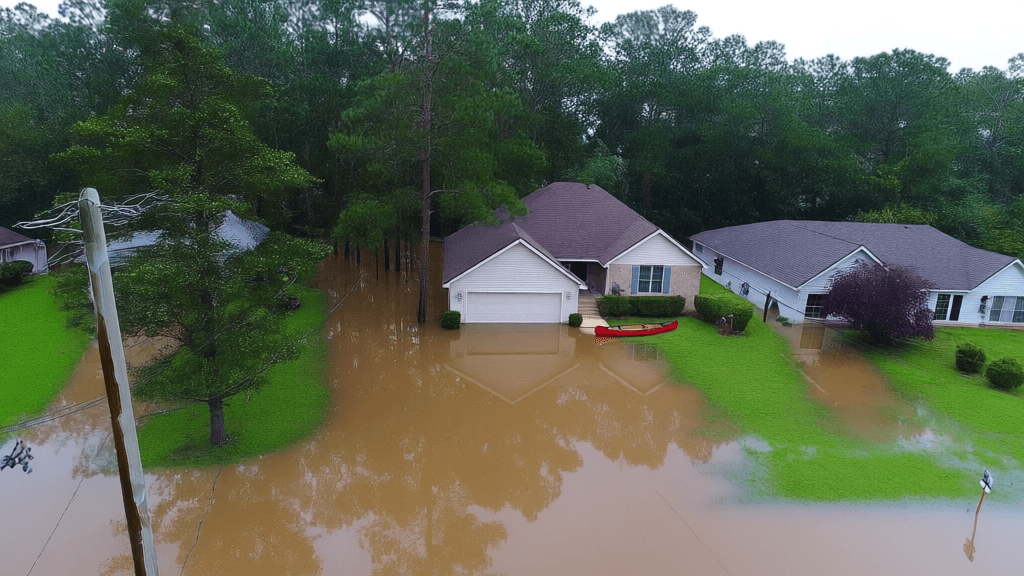
In insurance terms, a flood generally means water inundating normally dry land and affecting two or more properties or two or more acres. That definition matters because damage from external rising water is handled differently than a burst pipe or roof leak. A standard home policy may help with sudden internal water damage from certain covered causes, but it usually excludes flood losses from heavy rain runoff, creek overflow, or widespread street flooding. In Beaumont, where flash flooding can develop quickly during severe thunderstorms or tropical systems, this distinction is important. Knowing whether water came from outside the home or from a covered internal event can determine whether there is coverage at all.
What Flood Insurance Typically Covers
Flood insurance usually focuses on two broad categories: the structure itself and personal belongings inside it. Building coverage can help pay for the home’s foundation, electrical and plumbing systems, water heaters, central air equipment, built-in appliances, and permanently installed flooring or cabinetry, depending on the policy. Contents coverage can help with furniture, clothing, electronics, and other belongings damaged by a covered flood event. Beaumont homeowners should read the policy carefully because coverage limits, deductibles, and categories can vary. A useful way to think about it is this: flood insurance is designed to help repair essential parts of the home and replace damaged property, but only within the policy’s stated limits and terms.
Common Exclusions That Surprise Homeowners
One of the biggest mistakes homeowners make is assuming flood insurance pays for every water-related expense after a storm. It often does not cover temporary housing costs, and there may be limits on valuables, cash, documents, or items stored in certain lower-level spaces. Landscaping, decks, fences, pools, and detached exterior features may also be excluded or limited. In Beaumont neighborhoods near drainage channels, bayous, or roads that collect standing water, even a few inches of flooding can damage flooring, drywall, and major systems, yet some related costs may still fall outside the policy. Reviewing exclusions in plain language before storm season is one of the smartest ways to avoid claim-time frustration.
How Risk Varies From One Property to Another
Not every Beaumont home faces the same flood exposure, even within the same ZIP code. Elevation, drainage patterns, slab height, nearby channels, prior flooding history, and local development all influence risk. A home in one part of Beaumont may stay dry during a major rain event while another several blocks away takes on water because runoff has nowhere to go. The same is true in nearby communities such as Vidor, Orange, Nederland, and Port Arthur, where road design, canal systems, and proximity to water can change the picture quickly. Looking only at a broad flood map is not enough. Homeowners should also consider the property’s real-world storm behavior during intense Southeast Texas rainfall.
Why Waiting Until Hurricane Season Can Be Costly
Flood insurance is something Beaumont homeowners should think about well before a named storm enters the Gulf. Many policies have a waiting period before coverage takes effect, which means buying a policy after forecasters begin tracking a serious system may be too late. This is especially important in Beaumont, where tropical rain bands, stalled thunderstorms, and upstream runoff can all trigger flooding. Homeowners in Lumberton, Silsbee, Kountze, and China can also face water intrusion from prolonged regional rain, not just coastal surge. Planning ahead gives residents time to compare deductibles, confirm building and contents limits, and decide whether the policy fits the actual value of what they need to protect.
Local Flood Concerns in Beaumont and Nearby Areas
Beaumont homeowners live with a combination of flood drivers that make local awareness especially important. Tropical systems can dump enormous rainfall totals in a short period, while flat terrain and overwhelmed drainage infrastructure can slow water movement across neighborhoods. Areas near major roads, older subdivisions, or low-lying spots may see street flooding long before a river or bayou officially crests. Residents in Groves, Bridge City, Orange, and Port Arthur often watch different water patterns than inland communities, but the financial lesson is the same: flood losses are not rare, and they are not limited to homes with a mortgage requirement. Local conditions make property-by-property planning more valuable than broad assumptions.
Key Takeaways for Beaumont Homeowners
Practical Points to Remember
- A standard homeowners policy usually does not cover flood damage caused by rising water entering from outside the home.
- Flood insurance may cover the building, belongings, or both, but only up to the policy limits and subject to deductibles and exclusions.
- Flood risk in Beaumont can come from heavy rain, street flooding, drainage failure, tropical systems, and water backing up across low-lying ground.
- Homes outside high-risk mapped areas can still flood, especially in parts of Beaumont and nearby cities with poor drainage or repeated stormwater issues.
- Waiting until a storm is approaching may leave a homeowner without protection because flood policies often do not start immediately.
- Reviewing the property’s elevation, prior water history, and replacement cost can help match coverage to the home’s real exposure.

Smart Next Steps Before the Next Heavy Rain
The best next step is to review current home coverage and identify whether any flood protection is already in place or still missing. Beaumont homeowners should compare building and contents limits against real replacement costs, check whether the deductible is manageable, and ask how the policy handles common local loss scenarios. It also helps to document the home and belongings before storm season with photos, room-by-room notes, and records of major upgrades. For residents in Beaumont and nearby areas like Vidor, Orange, and Nederland, early planning is usually far less expensive than post-storm rebuilding. Flood insurance works best when it is chosen calmly, with local risk in mind, long before water starts rising.
Compare Flood Coverage Options Early
Review policy choices before storm season so coverage, limits, and deductibles reflect the real flood risk around your Beaumont home.
Get a Free Quote