Why Flood Zones Matter for Beaumont Homeowners
In Beaumont, flood zones are not just lines on a map. They can shape mortgage requirements, affect how an insurer views the property, and influence whether a homeowner needs separate flood coverage in addition to a standard home policy. That matters in a city where heavy rain, tropical weather, drainage issues, and low-lying areas can all raise water-related concerns. Many local buyers assume flood insurance is only for homes near major water, but the reality is broader. This guide explains how flood zones affect insurance decisions in Beaumont, what the maps do and do not mean, and what homeowners should review before purchasing, renewing, or comparing policies.
Understanding the Insurance Context Behind Flood Maps
Flood zones are commonly based on FEMA mapping, and lenders often use those maps when deciding whether flood insurance is mandatory for a financed home. In Beaumont, that decision can become especially important during home sales, refinances, or policy reviews after major storms across Southeast Texas. A home in a higher-risk zone may trigger a lender requirement, but even a home outside a high-risk area can still flood from intense rainfall or overwhelmed drainage systems. Insurance decisions should therefore go beyond the yes-or-no question of whether coverage is required. Homeowners need to look at elevation, flood history, nearby bayous or creeks, and the difference between map-based risk and real-world water exposure.
Standard Home Insurance Does Not Cover Flood Damage
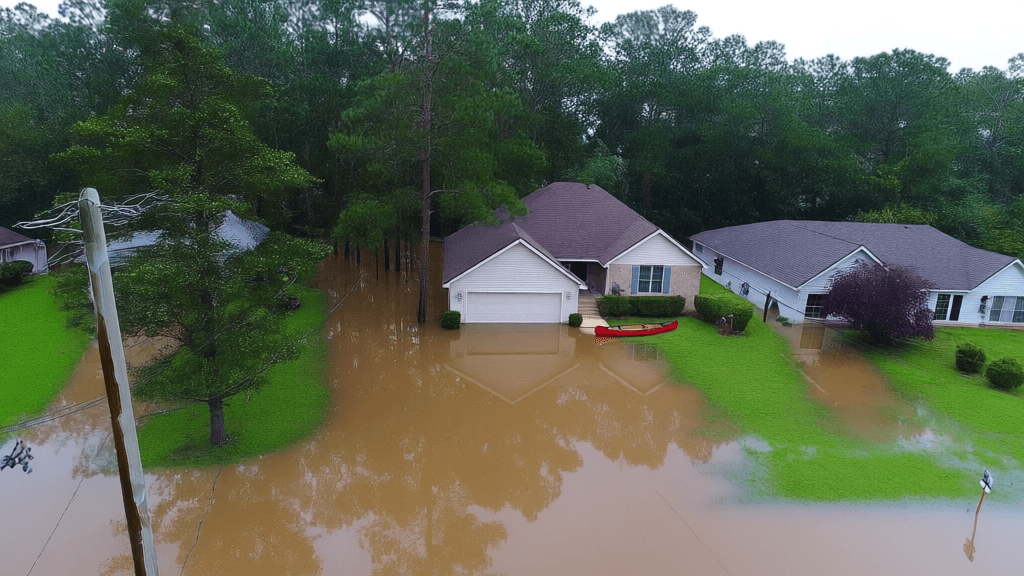
One of the biggest misunderstandings in Beaumont is assuming a regular homeowners policy will pay for rising water that enters the home after a storm. In most cases, it will not. Home insurance typically covers sudden internal water damage from certain covered causes, but flood damage from outside water entering the structure usually requires a separate flood policy. That distinction becomes critical after tropical systems, street flooding, or prolonged rain events. A homeowner may have solid dwelling coverage, personal property protection, and liability coverage, yet still face a major uninsured loss if flood insurance is missing. Before relying on a policy, it helps to review exactly how water damage is defined and where flood exclusions apply.
How Flood Zones Can Affect Costs and Coverage Choices
Flood zones can affect insurance decisions in several ways, even beyond a lender requirement. If a property is in a higher-risk zone, the homeowner may need to budget for a separate flood policy and consider higher building and contents limits. Deductible choices become more important because a lower premium may come with a larger out-of-pocket cost after a claim. In Beaumont, buyers also need to think about replacement cost, foundation type, first-floor elevation, and whether important systems such as HVAC equipment sit in vulnerable areas. A less obvious issue is timing. Waiting until a storm is approaching is usually too late, since flood policies often have waiting periods before coverage begins.
Why Two Homes in the Same Area May Need Different Decisions
Flood risk is highly property-specific, which is why two Beaumont homes only a few blocks apart may need different insurance strategies. One might sit on slightly higher ground, have a better drainage path, or have documented elevation data that changes how risk is evaluated. Another could have a prior flood claim history, an enclosed lower level, or site conditions that make water intrusion more likely. That is why homeowners should avoid using a neighbor's policy as the benchmark for their own decision. Instead, review the exact flood zone, ask about prior water loss, check the elevation certificate if available, and compare how different coverage limits would respond to a realistic local flooding scenario.
Local Conditions That Make This Especially Relevant in Beaumont
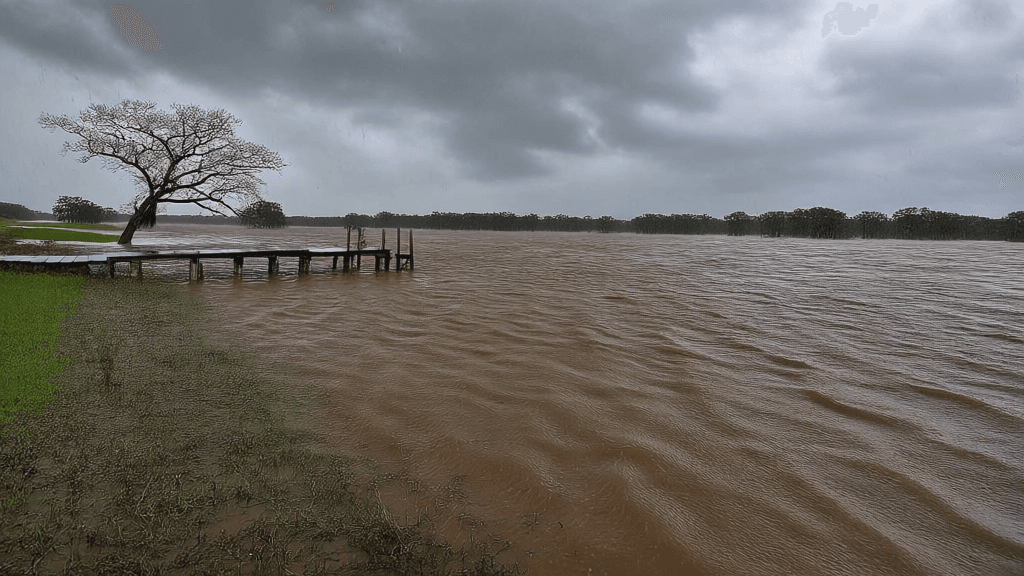
Beaumont homeowners deal with a combination of Gulf Coast weather patterns and local drainage realities that make flood planning more than a theoretical exercise. Strong thunderstorms, tropical moisture, hurricane season, and saturated ground can all create sudden water accumulation. Areas across Beaumont and nearby communities such as Vidor, Nederland, Port Arthur, and Orange may experience different flood behavior depending on terrain, infrastructure, and proximity to waterways. Even homes that have never flooded can face new exposure after nearby development, road changes, or repeated extreme rain. For that reason, flood zones should be treated as one tool in the decision process, not the only indicator of whether a property could benefit from separate flood protection.
What Buyers and Current Owners Should Review First
Key Takeaways for Beaumont Homeowners
- Check whether the property is in a FEMA-designated high-risk flood zone, but do not stop there because lower-risk zones can still experience costly water losses.
- Confirm whether the mortgage lender requires flood insurance and ask how that requirement could change if maps are updated or the loan is refinanced.
- Review the difference between homeowners coverage and flood coverage so there is no confusion about what happens when outside water enters the home.
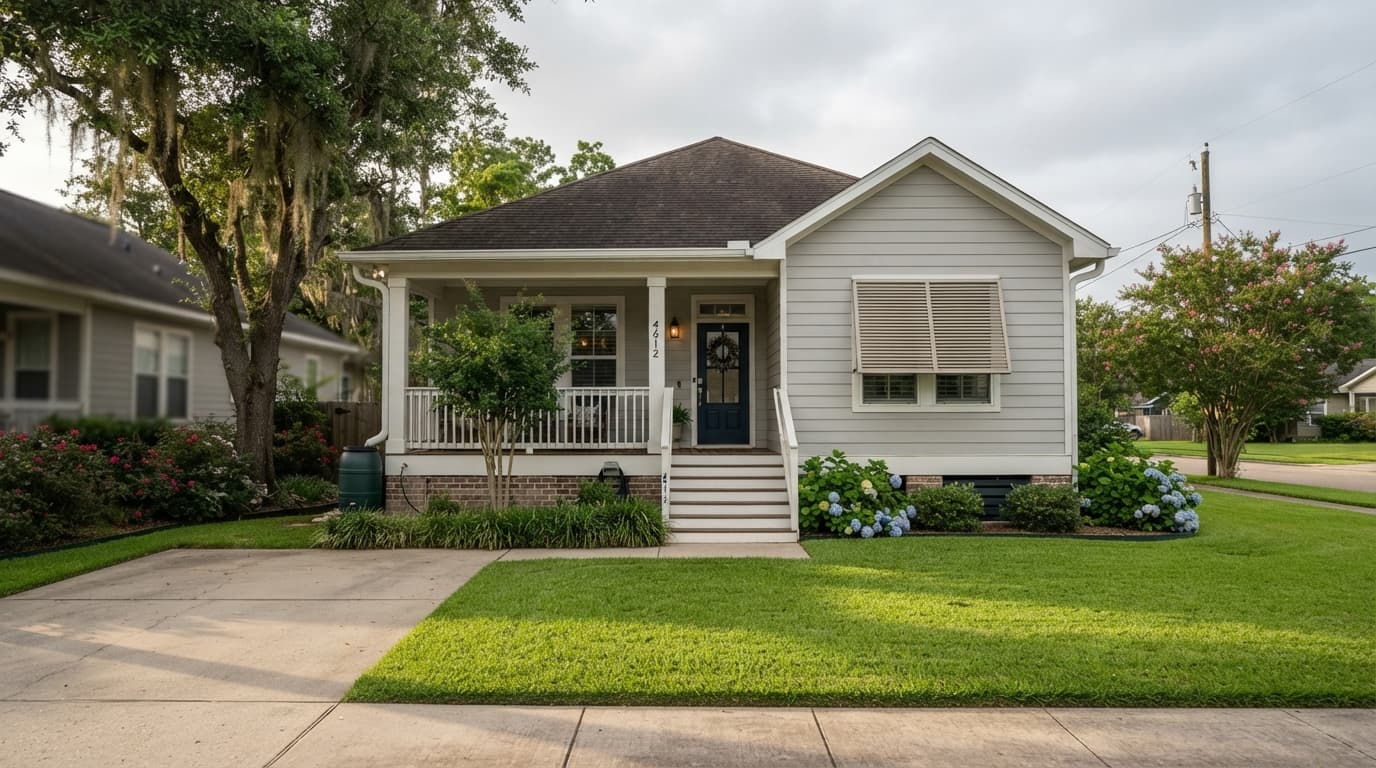
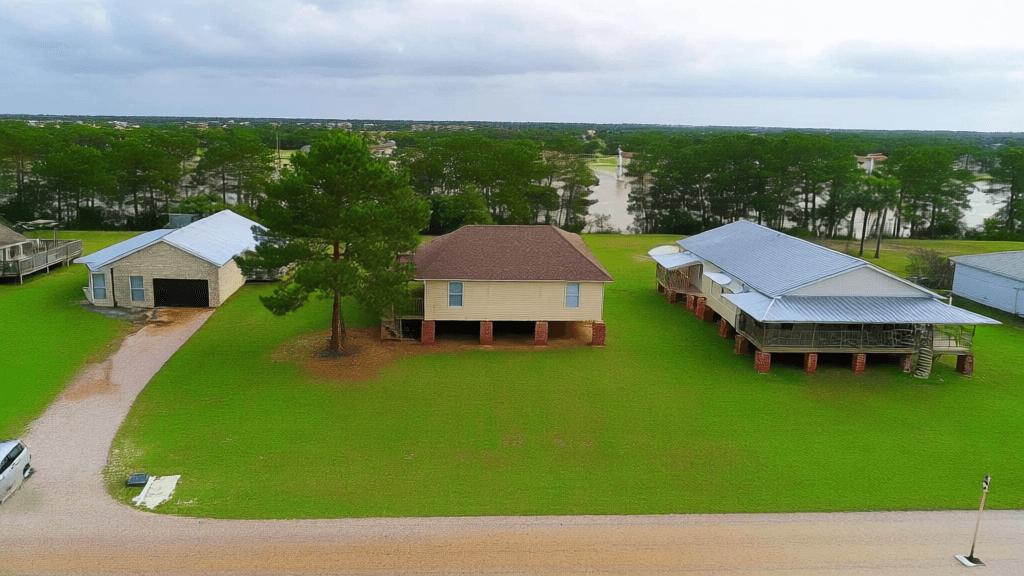
- Look at the home's elevation, foundation style, prior flood claims, and drainage conditions because those details often matter as much as the map itself.
- Compare deductibles, building limits, and contents protection before storm season, since waiting until a weather threat develops may leave no time for coverage to begin.

Smart Next Steps Before You Buy or Renew
If you are buying a home in Beaumont or reviewing existing coverage, start by pulling the property's flood zone information and comparing it with the current insurance setup. Then ask practical questions: Is flood insurance required, or simply recommended? If a flood policy is already in place, are the building and contents limits still adequate for today's replacement costs? If the property is outside a high-risk zone, would a lower-cost policy still make sense given local rain patterns and neighborhood conditions? Comparing options early gives homeowners time to make thoughtful decisions instead of rushed ones. In a market like Beaumont, understanding flood zones can help protect both the home and the household budget.
Compare Beaumont Home and Flood Coverage Options
Review policy options carefully before closing, renewing, or heading into storm season.
Get a Free Quote