Why This Coverage Question Matters in Beaumont
In Beaumont, the difference between flood insurance and home insurance is not a technical detail. It can decide whether a homeowner is reimbursed for a major loss or left paying out of pocket after heavy rain, a tropical system, or rising water near the property. Many people hear the word storm and assume all storm damage falls under one policy, but insurance does not work that way. A standard home policy may cover wind-related damage, fallen tree damage, or some interior water damage after a covered event, while flood damage is usually handled under a separate policy. For Beaumont homeowners, understanding that split before a claim happens is one of the smartest coverage steps to take.
Why Beaumont Homeowners Need to Pay Attention
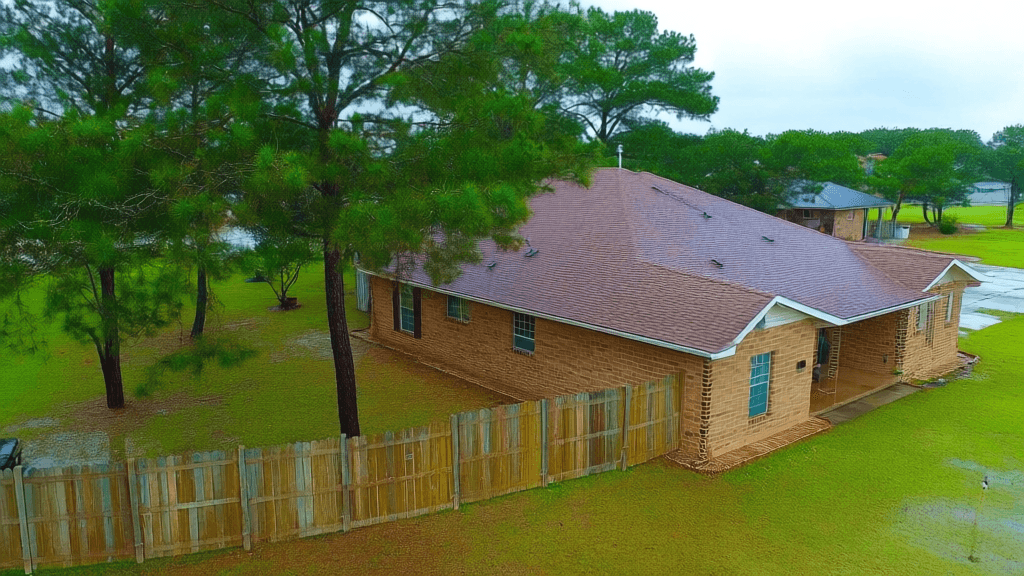
Beaumont sits in a part of Southeast Texas where weather risk is a year-round conversation. Tropical storms, intense rain bands, poor drainage in some areas, overflowing ditches, and water intrusion after long periods of rainfall all create confusion about what kind of insurance applies. This is especially true when a storm causes more than one kind of damage at once. A roof may lose shingles from wind, while the yard and lower level take on rising water. Those losses may be adjusted under different rules. In neighborhoods across Beaumont, as well as nearby Vidor, Nederland, and Port Arthur, homeowners benefit from reviewing not just whether they have insurance, but whether they have the right combination of insurance.
What Home Insurance Usually Covers
A standard home insurance policy is designed to protect the house and personal belongings against certain named or broadly defined perils, depending on the form. In practical terms, that often includes fire, theft, hail, wind, liability claims, and some accidental water damage that starts inside the home, such as a burst pipe or sudden plumbing issue. If a Beaumont storm tears off part of a roof and rain enters through that storm-created opening, the resulting interior damage may be covered, subject to policy terms and deductibles. What matters is the cause of loss. Home insurance is generally built for sudden, accidental, covered events, not for every way water can reach the property.
What Flood Insurance Usually Covers
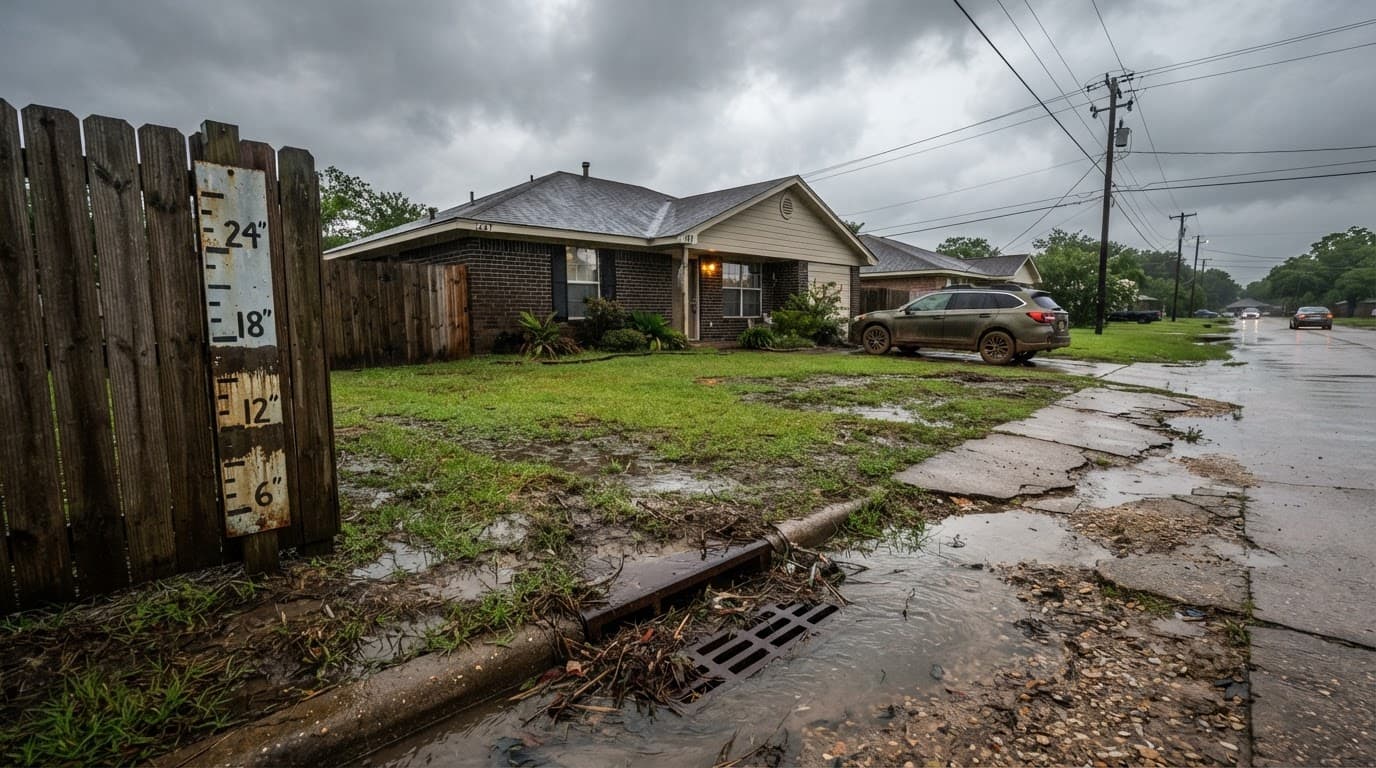
Flood insurance is usually intended for damage caused by rising water that affects land areas and enters the home from the outside. That can include water from heavy rainfall, storm surge, overflow from inland waterways, or fast accumulation that inundates normally dry ground. The key point is that flood insurance responds to flooding conditions, not simply any water damage. If water builds up around a Beaumont property and enters the structure through doors, walls, or the foundation, a standard home policy will typically exclude that loss, while a flood policy may cover it if the terms are met. Coverage can apply to the dwelling, and in many cases a separate contents policy or contents component may be needed for belongings.
The Biggest Coverage Gap Homeowners Miss
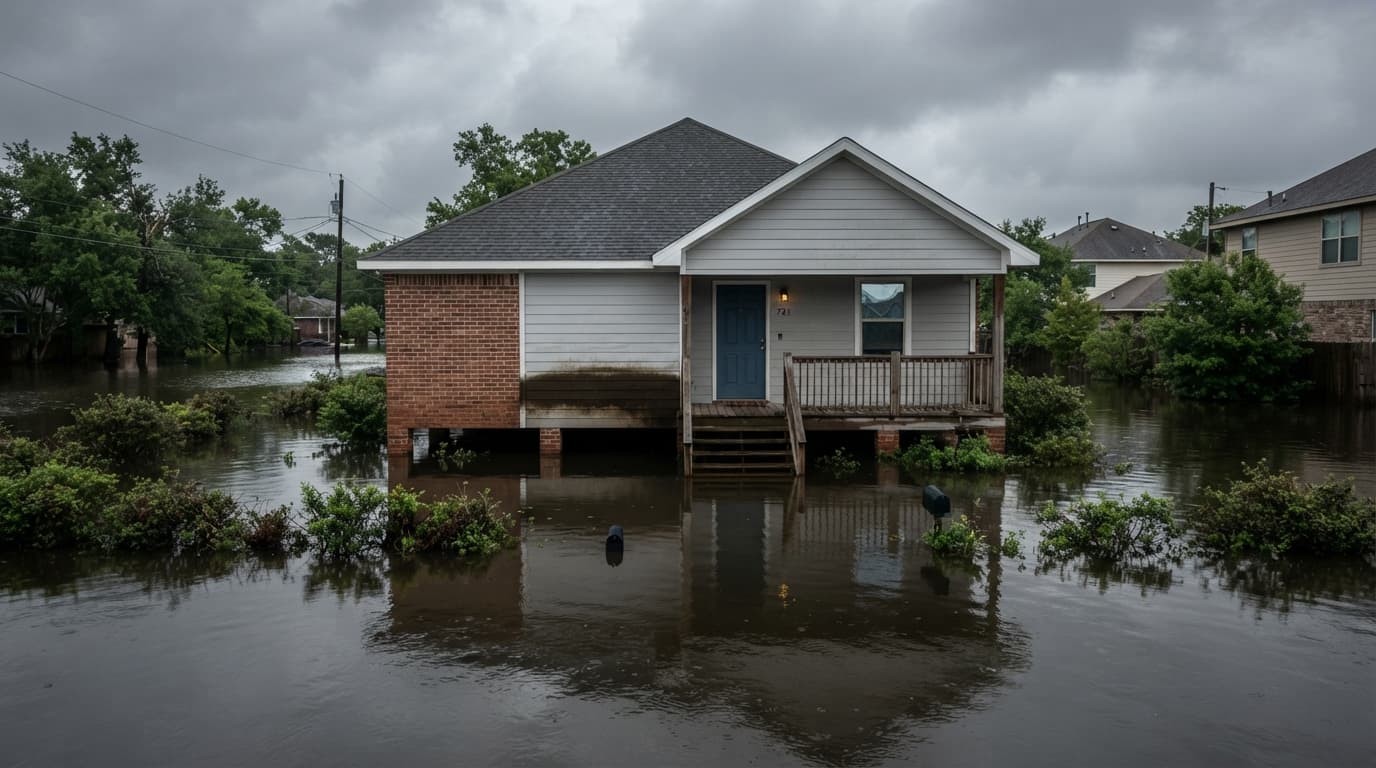
The most common mistake is assuming flood damage is just another form of storm damage. In reality, insurers usually separate wind-driven damage from rising-water damage very clearly. Imagine a Beaumont home during a severe weather event. Wind breaks windows and damages the roof, while several inches of water later move in from the street and yard. The roof and window damage may fall under home insurance, but flooring, drywall, cabinets, and furniture damaged by floodwater may not. That distinction surprises many homeowners after a claim. It is also why reviewing exclusions, waiting periods, deductibles, and contents coverage matters so much before hurricane season or a prolonged rain pattern sets in across Jefferson County.
How Water Damage Is Classified After a Storm
One reason this topic is confusing is that not all water damage is treated the same. Insurance claims are often decided by how the water entered the home and what event caused it. Water from above after wind damages the roof may be handled differently than water that rises from outside and pushes into the house. Sewer backup may require a separate endorsement. Slow leaks from maintenance problems are often excluded entirely. In Beaumont, where a single weather event can bring wind, rain, pooling water, and drainage overload at the same time, classification becomes critical. Homeowners should ask how their policy treats roof leaks, seepage, surface water, foundation entry, and backup-related losses so there are fewer surprises during a claim.
Why Local Conditions in Beaumont Change the Conversation
Beaumont is not just another Texas market when it comes to home risk. The city's proximity to the Gulf, intense rainfall potential, flat terrain in some areas, and drainage concerns in parts of Southeast Texas all make flood exposure more relevant than many homeowners expect. Properties near low-lying roads, bayous, or areas that collect water after long storms may face a different risk profile than homes on slightly higher ground in other parts of the region. The same is true in surrounding communities like Orange, Bridge City, Groves, and Lumberton, where local topography and drainage patterns can affect loss potential. A homeowner does not need to be directly next to open water to face a flood claim scenario in Beaumont.
Key Takeaways for Comparing These Policies
Key Points
- Home insurance generally covers certain sudden and accidental covered losses, such as wind, hail, fire, theft, and some interior water damage tied to a covered cause.
- Flood insurance is usually separate and is designed for rising water entering from outside the home, including heavy rain accumulation and overflow conditions.
- A single Beaumont storm can create two claim paths at once, with wind damage handled one way and flood damage handled another.
- Water backup, slow leaks, and maintenance-related issues may need separate endorsements or may be excluded, so policy wording matters.
- Flood risk is not limited to waterfront homes in Beaumont; drainage, street flooding, and low-lying areas can all affect claim exposure.
- Reviewing dwelling limits, contents coverage, deductibles, exclusions, and waiting periods before storm season is more useful than reacting after a loss.

What Beaumont Homeowners Should Do Next
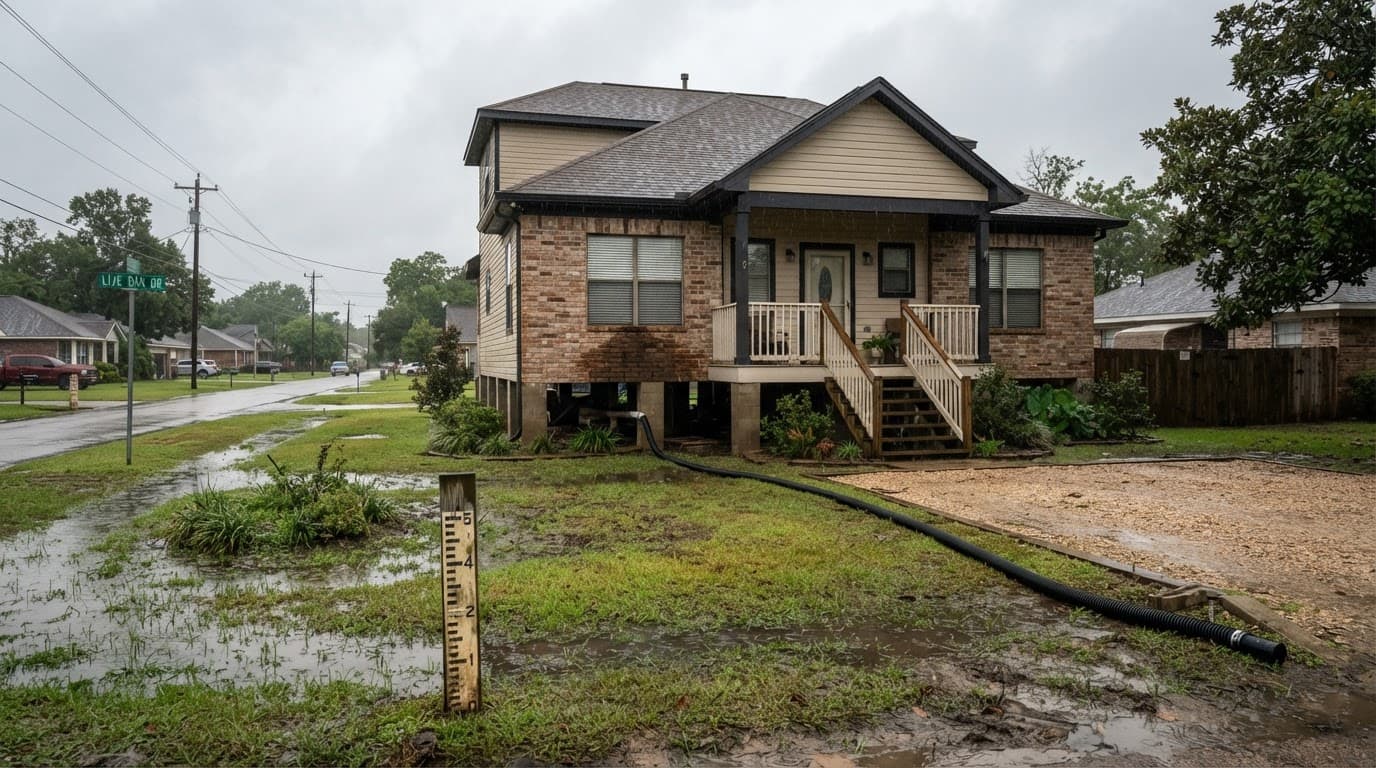
The next step is to compare your current home policy against your actual property risks, not just the minimum coverage you purchased when closing on the house. Start by checking whether you already have flood insurance, whether it includes building and contents protection, and whether any waiting period applies before coverage starts. Then review your home policy for wind, hail, water damage exclusions, and optional endorsements that may help with backup or other gaps. In Beaumont, Vidor, Silsbee, Kountze, and nearby communities, homeowners should think about drainage around the lot, prior water history, elevation, and storm patterns when deciding on limits. The goal is simple: make sure one weather event does not expose two costly coverage gaps at the same time.