Why Other Structures Coverage Matters in Beaumont
Many Beaumont homeowners focus on the house itself when reviewing a policy, but a lot of value sits outside the main dwelling. Fences, storage sheds, workshops, detached garages, and similar structures can be expensive to repair after wind, hail, fire, or falling tree damage. Other structures coverage is the part of a home policy that usually helps protect those separate buildings and property features. If your backyard fence faces repeated storm exposure or your detached garage stores tools, lawn equipment, or seasonal items, this coverage deserves a close look. Understanding how it works can help homeowners avoid unpleasant surprises when a loss happens.
What Counts as an Other Structure
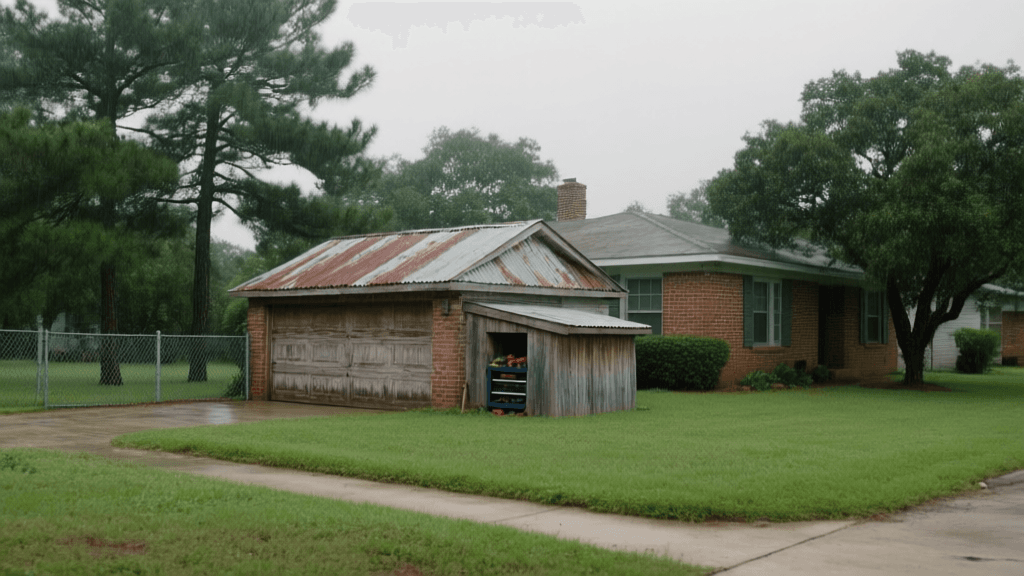
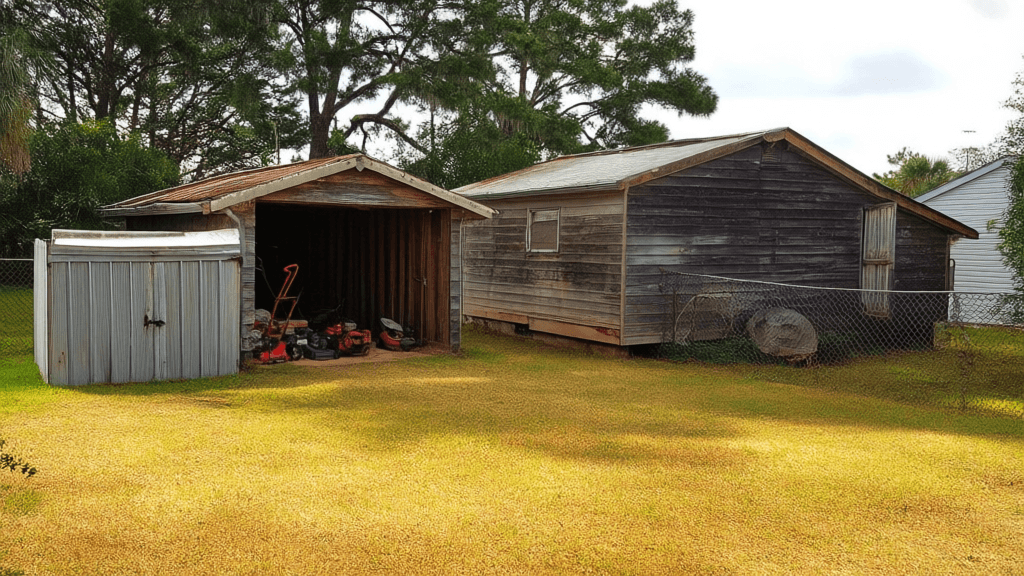
In simple terms, other structures coverage generally applies to property on the residence premises that is separated from the main house by a clear space. In Beaumont, common examples include wood privacy fences, metal fences, detached garages, carports, garden sheds, storage buildings, gazebos, and workshops. A structure attached directly to the home is usually treated differently under dwelling coverage instead. That distinction matters because coverage limits, deductibles, and claim handling can vary. Homeowners should not assume every backyard building is automatically covered the same way. A quick policy review can confirm how each structure on the property is classified before storm season or a major repair issue arises.
How Coverage Limits Are Usually Set
Most home policies set other structures coverage as a percentage of the dwelling limit rather than a custom number chosen from scratch. For example, if a home is insured for a certain amount, other structures may be capped at around ten percent of that figure, though policy terms differ. That sounds fine until a Beaumont homeowner adds a large detached garage, installs a long perimeter fence, or builds a finished workshop behind the home. Suddenly, the standard limit may not come close to replacement cost. The smart move is to total the likely rebuild cost of detached structures on the property and compare that number with the policy limit instead of relying on assumptions.
What Perils Commonly Affect Fences, Sheds, and Garages
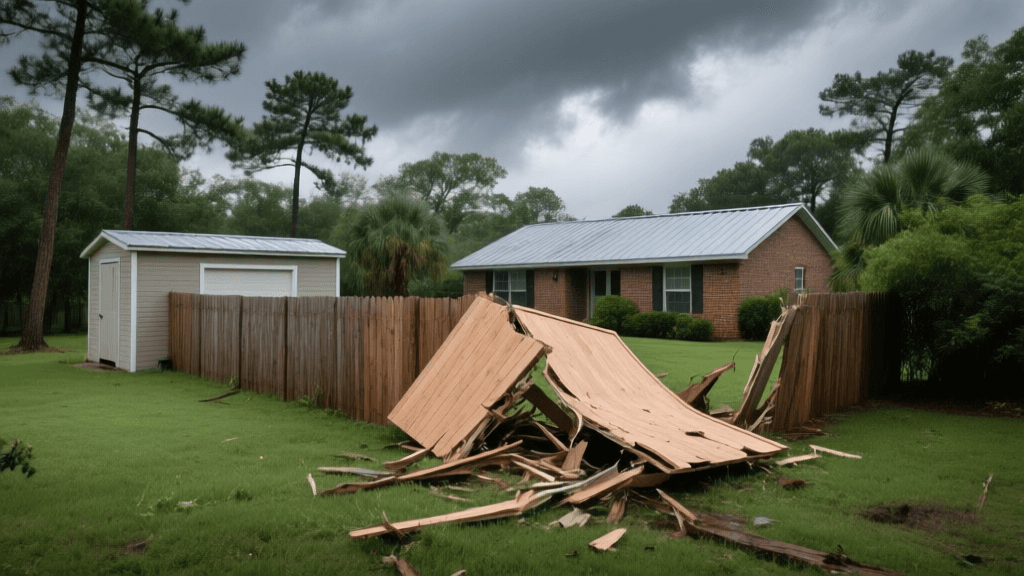
Beaumont properties face a mix of risks that make detached structure protection especially relevant. Wind and hail can damage roof panels on a shed or peel material from a detached garage. Heavy rain can contribute to water intrusion if a structure is poorly sealed, while falling limbs can crush fencing or smaller outbuildings. Fire is another obvious concern, especially in garages or workshops where fuels, tools, and electrical equipment may be stored. Theft and vandalism may also come into play depending on the policy and the circumstances of the loss. The key point is that coverage depends not only on the structure itself, but also on the cause of damage and any exclusions in the policy.
Where Homeowners Often Misunderstand the Fine Print
One of the biggest mistakes is assuming coverage applies to every type of damage. For example, flood damage is generally not covered by a standard home policy, even if it affects a detached garage or shed just as badly as the house. Wear and tear, rot, maintenance problems, and insect damage are also common trouble spots. Another misunderstanding involves what is inside the structure. The detached building may be covered under one part of the policy, while tools, lawn equipment, or stored belongings may fall under personal property limits instead. In Beaumont, where weather can be rough and humidity can speed deterioration, it is important to separate sudden accidental loss from maintenance-related issues.
Local Factors Beaumont Homeowners Should Consider
Beaumont homes often sit on lots where detached structures are more than just extras. In many neighborhoods, fencing is essential for privacy, pets, and security, while detached garages and sheds hold equipment used for yard care, storm cleanup, and home projects. Southeast Texas weather adds another layer of risk because strong storms can impact large sections of Beaumont, Vidor, Nederland, and Port Arthur in a single event. Older properties may also have aging detached buildings that are harder to value accurately. Homeowners in Beaumont should review not just whether coverage exists, but whether the listed limit matches current material and labor costs in the local market.
How to Document Detached Structures Before a Claim
Good documentation can make the claims process smoother and reduce disputes about condition or value. A practical approach is to take clear photos of each fence line, shed exterior, garage interior, roofline, doors, and any upgrades such as electrical service, shelving, or finished walls. Save receipts for construction, repairs, roofing work, and major improvements. If a detached garage was expanded or a shed was replaced, note the approximate year and cost. Beaumont homeowners should update this record after hurricane preparation projects or major property upgrades. When damage occurs, dated photos and records can help show what existed before the loss and support a more accurate estimate.
Key Takeaways for Beaumont Homeowners
- Other structures coverage usually protects detached property features such as fences, sheds, workshops, and detached garages when the cause of loss is covered by the policy.
- Coverage limits are often set as a percentage of the dwelling amount, which may be too low for properties with large fences, upgraded outbuildings, or multiple detached structures.
- Flooding, maintenance issues, rot, and normal wear are common reasons detached structure damage may not be covered under a standard home policy.
- The structure itself and the contents stored inside it may be covered under different policy sections, so both should be reviewed carefully.
- Photos, receipts, and a simple property inventory can help Beaumont homeowners support a claim and verify replacement value more effectively.

What to Review Before Comparing Policies or Filing a Claim
Before comparing home insurance options, Beaumont residents should make a list of every detached structure on the property and estimate what it would cost to rebuild each one today. It also helps to check whether replacement cost or actual cash value applies, since depreciation can significantly reduce a payout on older fences or sheds. Review deductibles, wind and hail terms, exclusions, and any endorsements that may raise limits for detached buildings. If damage has already happened, document the loss immediately and prevent further damage when safe to do so. A careful review now can help homeowners choose coverage that actually fits the property instead of discovering gaps after a storm.
Compare Coverage With Your Property in Mind
Use this guide as a checklist when reviewing quotes so detached garages, sheds, and fences in Beaumont are not overlooked.
Get a Free Quote