Why Other Structures Coverage Matters in Beaumont
Many Beaumont homeowners focus on insuring the house itself, but the property often includes much more than the main dwelling. A detached garage, backyard shed, privacy fence, carport, or gazebo can represent a meaningful investment, especially after years of upgrades. Other structures coverage is the part of a homeowners policy that typically applies to those separate buildings and built features when they are not physically attached to the home. In a place like Beaumont, where strong thunderstorms, wind, hail, and heavy rain can damage more than just the roofline, understanding this coverage can help homeowners avoid unpleasant surprises when reviewing a claim.
What This Coverage Is Designed to Protect
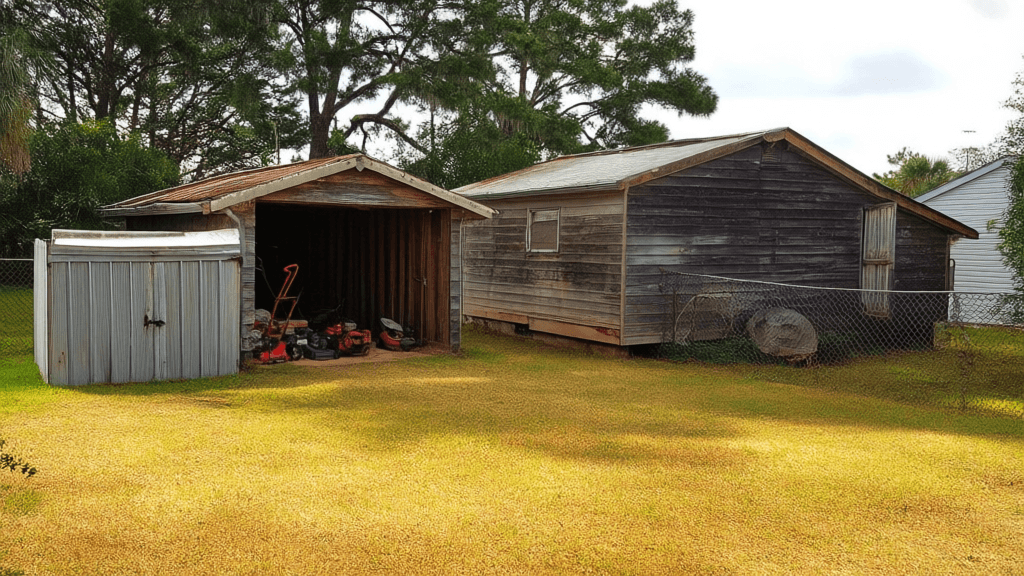
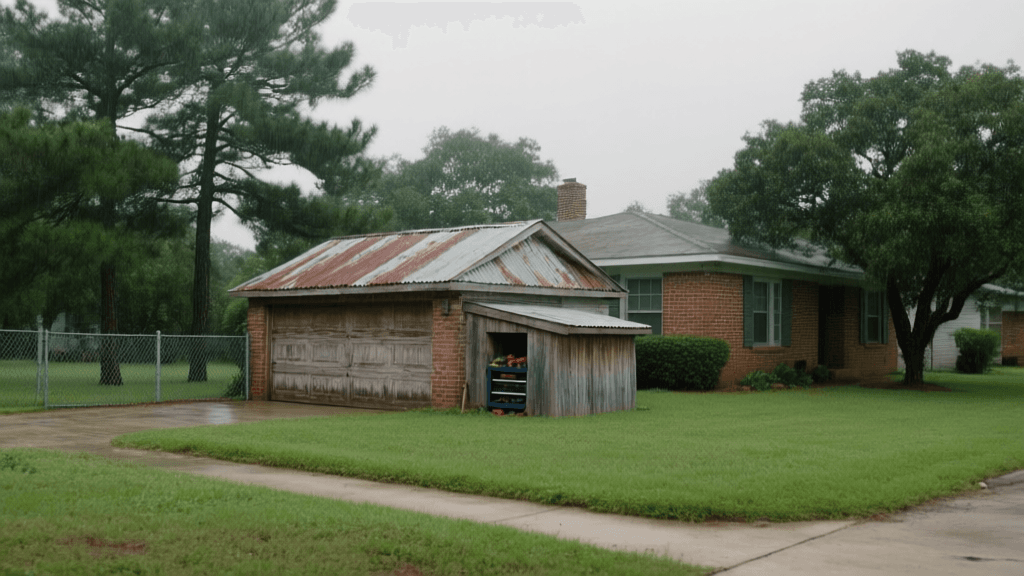
Other structures coverage usually protects structures on the same property that are separated from the main house by a clear space. The most common example is a detached garage, but the category often includes storage buildings, workshops, fences, standalone carports, pool houses, and some types of detached patios or pergolas. Coverage generally follows the same named perils or open perils structure as the rest of the homeowners policy, depending on the form. That means the cause of damage matters just as much as the structure itself. For Beaumont residents, this becomes especially important during storm season, when wind-driven debris and falling limbs can hit outbuildings before the house is ever affected.
Common Examples of Other Structures Around the Home
A simple way to think about other structures coverage is to ask whether the item is a built structure on the property that is not attached to the house. In Beaumont neighborhoods, that often means detached garages behind older homes, backyard sheds storing lawn equipment, wooden or chain-link fencing, and freestanding workshops used for hobbies or extra storage. It can also include detached guest quarters if they are not rented out, as well as permanent gazebos or certain retaining walls. However, a deck physically connected to the home is usually considered part of the dwelling coverage, not other structures. The line between attached and detached matters, so homeowners should compare their policy wording with the actual layout of the property.
What Usually Does Not Count
Not everything in the yard falls under other structures coverage. Landscaping, trees, shrubs, and lawns are typically handled under different parts of a homeowners policy, and often with separate limitations. Portable items such as trampolines, temporary canopies, movable playsets, or above-ground items that are not permanently installed may not qualify as structures in the same way a fixed shed or fence would. Business-related buildings can also create complications. If a detached building in Beaumont is used mainly for a home business, coverage may be limited or excluded unless the policy specifically allows it. The same can be true for structures with maintenance issues, pre-existing damage, or wear and tear rather than sudden covered loss.
How Coverage Limits Are Usually Set
In many homeowners policies, other structures coverage is set as a percentage of the dwelling limit rather than as a standalone number chosen from scratch. A common setup is 10 percent of the dwelling coverage, though the actual amount can vary. For example, if a Beaumont home is insured for $300,000, the policy may automatically provide $30,000 for detached structures. That might sound like enough until a homeowner adds a large workshop, upgraded fencing, and a detached garage with electrical service. Replacement cost and actual cash value rules also matter. If the policy settles claims based on depreciation, an older fence or shed may pay much less than the cost to rebuild it today.
Why Beaumont Conditions Change the Conversation
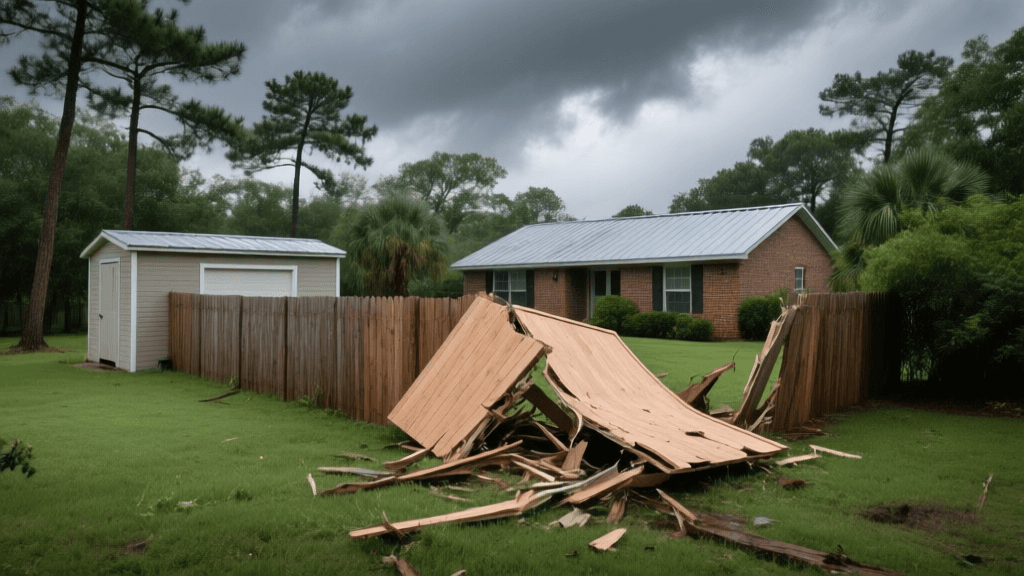
Beaumont homeowners deal with weather patterns that make detached structures especially vulnerable. High winds can peel roofing from sheds, blow down fences, and damage carports long before structural damage appears on the house. Heavy rain can worsen damage when water enters through storm-created openings, and hail can dent metal outbuildings or crack roofing panels. Properties near Vidor, Orange, Port Arthur, and Nederland may also see similar storm concerns depending on lot size, tree cover, and exposure. Because Southeast Texas weather can be intense and fast-moving, homeowners should not assume a basic policy automatically matches the full replacement cost of every detached improvement added over the years.
Questions to Ask When Reviewing Your Policy
Key Takeaways
- Confirm which detached items on the property are specifically considered other structures, including garages, sheds, fences, carports, and permanent backyard features.
- Check whether the coverage limit is enough to rebuild all detached structures at current Beaumont-area labor and material costs, not just what they were worth years ago.
- Ask whether losses are settled at replacement cost or actual cash value, because depreciation can significantly reduce claim payments on older structures.
- Review exclusions for flood, wear and tear, business use, vacancy, or neglected maintenance, since these issues often affect detached buildings first.
- Update the policy after adding a workshop, fencing, pool house, or other permanent improvement so the coverage reflects the property as it exists today.

Practical Next Steps for Beaumont Homeowners
A good next step is to walk the property and make a written inventory of every detached structure, then estimate what each one would cost to rebuild today in Beaumont. Include items that are easy to overlook, such as fencing, gates, storage buildings, detached garages, and covered outdoor structures. Take photos, note dimensions, and keep records of upgrades like new roofing, electrical work, or reinforced framing. Then compare that list to the policy declarations and endorsements. If the numbers do not line up, it may be time to increase limits or clarify how the policy treats certain structures. Comparing quotes can also help identify differences in settlement method, exclusions, and optional coverage for higher-value detached buildings.
Compare Beaumont Home Insurance Options
Review quotes carefully to see how each policy handles other structures coverage, limits, exclusions, and storm-related losses.
Get a Free Quote