Why Home Insurance Looks Different in Lumberton
Home insurance is never truly one size fits all, and that is especially true around Beaumont. A house in Lumberton can face a different mix of risks than a similar home in Beaumont, Vidor, or Port Arthur, even when the square footage and age look close on paper. Lot size, drainage, tree exposure, roof condition, distance from emergency services, and local flood patterns can all change what a smart policy looks like. This matters because many homeowners focus on price first and only discover gaps after a storm or major claim. Understanding how Lumberton differs helps homeowners compare policies more carefully and match coverage to real local conditions.
Why This Topic Matters in Southeast Texas
Across the Beaumont area, insurance decisions are shaped by the weather and by how each community has grown. Southeast Texas homeowners regularly think about heavy rain, tropical systems, wind-driven damage, hail, and water backup. In Lumberton, many properties also have features that can change claim severity, such as larger yards, mature trees, detached structures, and homes near creeks or lower-lying areas. That means the right policy is often about more than choosing a deductible and checking a dwelling limit. It is about understanding how local geography, building styles, and repair logistics can increase losses. For homeowners in Beaumont who are comparing nearby markets, Lumberton is a good example of why location details matter.
Flood Exposure Can Change the Whole Coverage Conversation
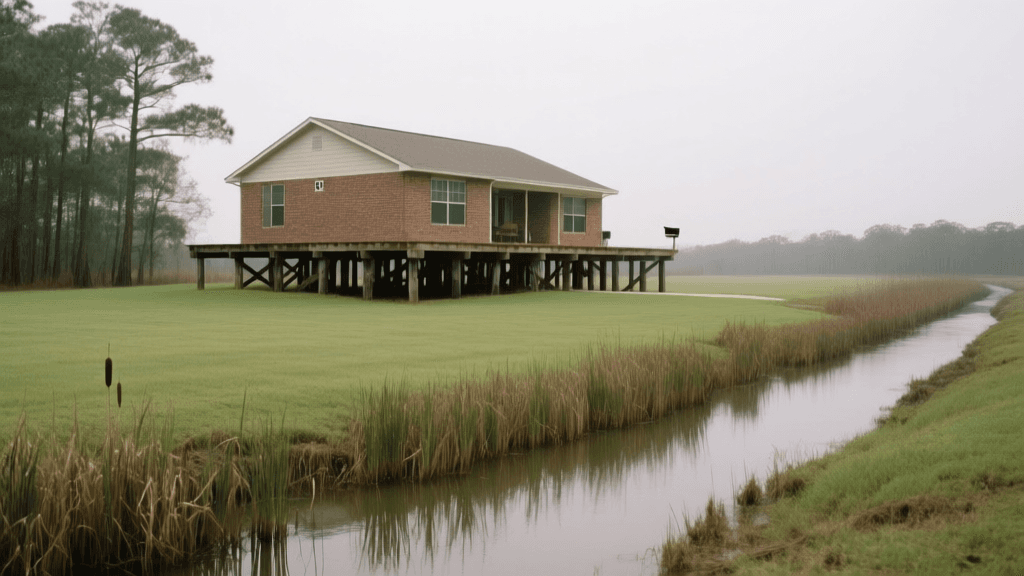
One of the biggest differences in Lumberton is how often flood exposure enters the discussion, even for homeowners who do not think of themselves as high risk. Standard home insurance typically does not cover flood damage, so a house that is vulnerable to rising water, street flooding, drainage issues, or overflow from nearby waterways may need separate flood coverage consideration. This is important after major rain events in the Beaumont region, when homeowners learn that water entering from outside the home may be excluded. In practical terms, a Lumberton homeowner should review flood maps, elevation, drainage history, and prior seller disclosures rather than relying only on whether a lender requires flood insurance.
Property Layout and Detached Structures Matter More
Lumberton homes often sit on larger lots than homes in more tightly built parts of Beaumont or Nederland, and that can affect insurance in several ways. A property may include a workshop, detached garage, storage building, extended driveway, fencing, or other outdoor improvements that need to be counted correctly. If those structures are underinsured or not reviewed at renewal, claim payments may fall short after wind, fire, or falling tree damage. Larger properties can also mean more tree-related risk during storms, plus higher debris removal costs after a loss. Homeowners should inventory every structure on the property and ask whether other structures coverage, personal property limits, and liability protection still fit the real layout.
Rebuild Costs Are Not the Same as Market Value
A common mistake in any part of the Beaumont area is assuming the insured value should match what the home might sell for. In reality, Lumberton homeowners need to think about reconstruction cost, not resale price. Repairing or rebuilding after a severe claim may involve labor shortages, material price spikes, code upgrades, and the cost of bringing a damaged home back to a livable condition. Those pressures can be even more noticeable after a regional weather event that affects Orange, Groves, Bridge City, and Port Arthur at the same time. A homeowner who chooses a low dwelling limit to save money may find that the policy does not keep up with actual rebuilding expenses when contractors are in high demand.

Roof Age, Trees, and Storm Claims Deserve Extra Attention
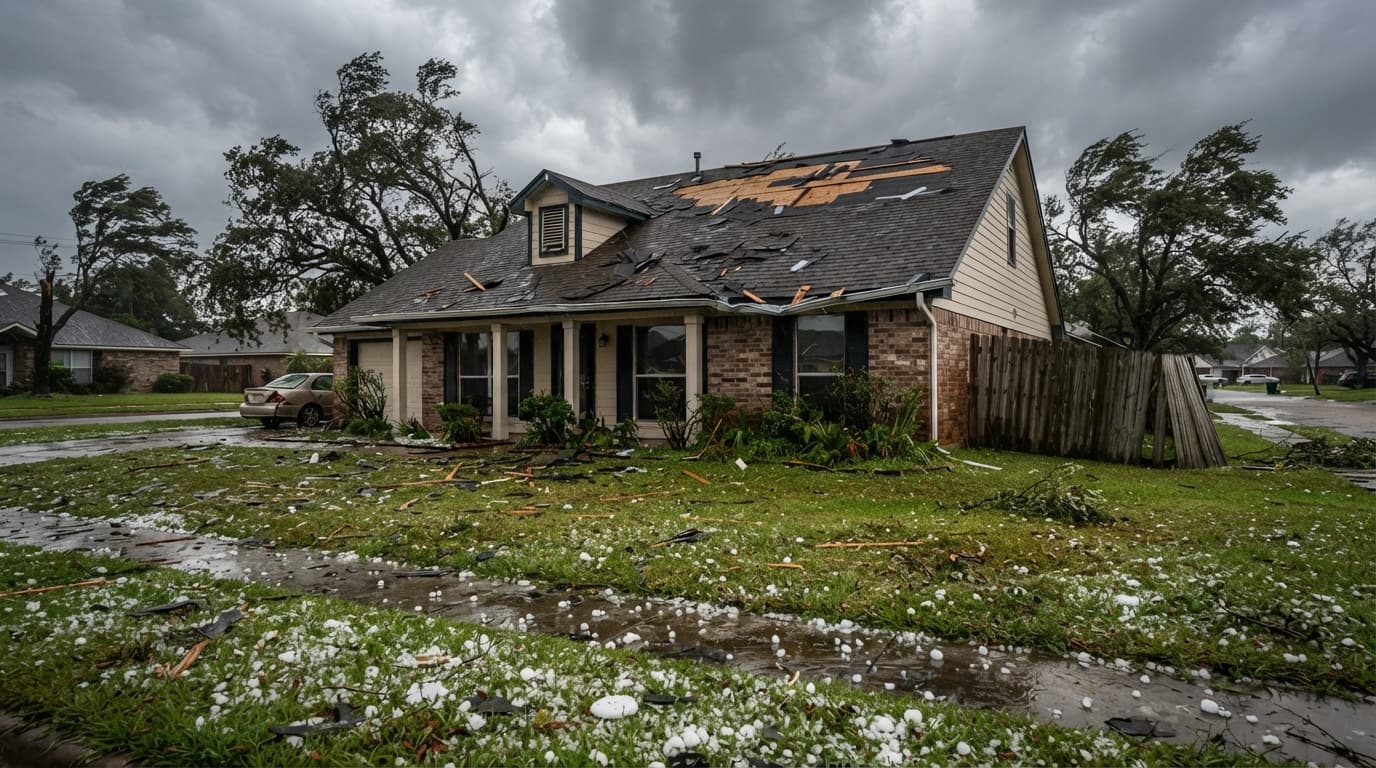
In Lumberton, the mix of wooded surroundings and Southeast Texas storm activity makes roof condition especially important. A newer roof may help reduce future claim issues, while an older roof can lead to higher premiums, tighter underwriting, or limited settlement terms depending on the policy. Homes with overhanging limbs or dense tree cover may face a greater chance of impact damage, gutter problems, or moisture issues after heavy weather. This is not just a Lumberton concern, but it can be more pronounced there than in some neighborhoods closer to central Beaumont. Homeowners should document roof age, inspection history, and recent upgrades, and they should not assume all roof-loss settlements work the same way across policies.
Local Factors Around Beaumont and Lumberton
For readers in Beaumont, Lumberton is close enough to feel familiar but different enough to require a separate insurance lens. Commute patterns, school-driven relocation, and newer development have drawn many buyers to Lumberton, Silsbee, and Kountze, yet the insurance picture can shift quickly from one property to the next. Homes farther from dense commercial corridors may have different service access after storms, while homes in wooded pockets may have different cleanup and water-management concerns than houses in more urban parts of Beaumont or Vidor. Even within the same ZIP area, two homes can need very different endorsements and deductibles. That is why local comparison should focus on exposure details, not just city names.
Key Takeaways for Homeowners Comparing Coverage
Key Points
- Check whether flood risk exists even if flood insurance is not required by a lender, because standard home policies usually exclude flood damage.
- Review detached garages, sheds, fences, and workshops so other structures coverage reflects the actual property layout in Lumberton.
- Base dwelling coverage on rebuild cost rather than sale price, especially after regional storms that drive up labor and material costs.
- Ask how roof age, tree exposure, wind deductibles, and hail claims are handled before choosing a policy on price alone.
- Compare policies property by property, because homes in Lumberton, Beaumont, Orange, and Nederland can have very different risk profiles.

What to Do Before You Request Quotes
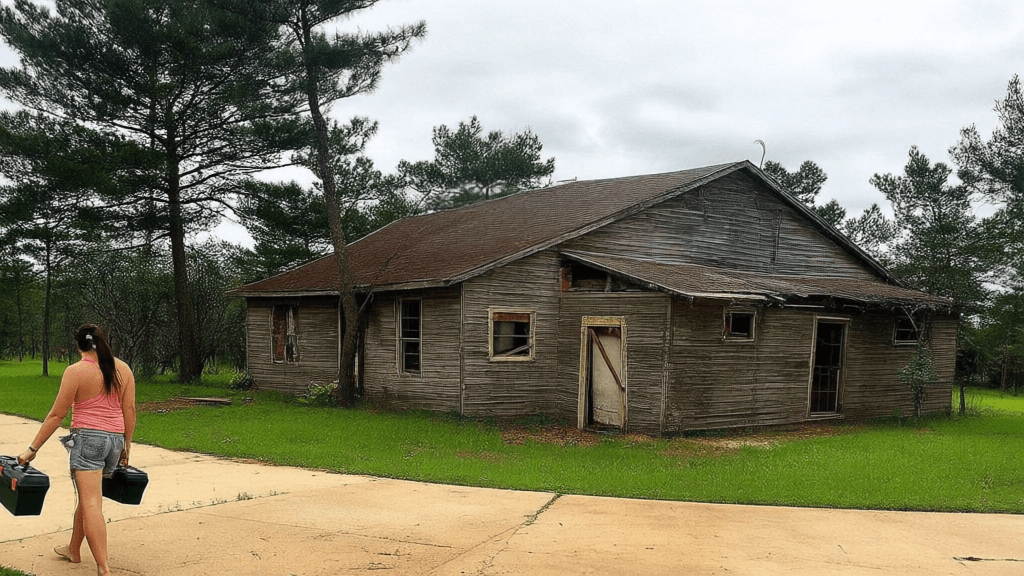
Before comparing home insurance options, gather details that actually affect underwriting and coverage quality. Start with roof age, square footage, update history, foundation type, and any detached buildings on the lot. Then review prior claims, known drainage issues, and whether the property has ever taken on water during a major rain event. Homeowners in Beaumont looking at Lumberton properties should also ask about wind deductibles, replacement cost terms, water backup options, ordinance or law coverage, and personal property limits. A good quote comparison is not just about the premium. It should show what losses are covered, where exclusions apply, and whether the policy fits how the home is built and used.