Why Home Insurance Matters in Port Arthur
Buying home insurance in Port Arthur, TX is a little different from buying it farther inland. Homeowners here have to think about more than just the structure of the house and the monthly premium. Coastal weather, heavy rain, hurricane season, older housing stock, and flood-prone areas can all affect what a policy covers, what it excludes, and how much it costs. Many people assume a standard homeowners policy automatically handles every major risk, but that is often not the case. This guide breaks down what Port Arthur residents should look for, what questions to ask, and how to avoid expensive surprises when a claim happens.
Why This Topic Is So Relevant in Southeast Texas
Port Arthur sits in a part of Southeast Texas where weather and water exposure shape insurance decisions year after year. Homes may face tropical storms, wind-driven rain, hail, localized flooding, sewer backup issues, and long periods of humidity that can worsen maintenance problems. Insurers also pay close attention to roof age, prior claims, foundation condition, and how close a home sits to higher-risk water areas. For homeowners in Port Arthur, Groves, Nederland, and Orange, insurance is not just a routine bill. It is a financial protection tool that needs to match local conditions. Understanding how policies respond to these real risks can make a major difference after a storm or other covered loss.
Know What a Standard Homeowners Policy Usually Covers
A standard homeowners policy typically includes dwelling coverage for the home itself, other structures coverage for items like detached garages or sheds, personal property coverage, liability protection, and loss of use coverage if the house becomes temporarily unlivable after a covered claim. That sounds broad, but the details matter. Coverage may apply to fire, certain wind events, theft, vandalism, and some types of sudden accidental water damage. It usually does not mean every water problem, every foundation issue, or every weather event is fully covered. Port Arthur homeowners should review whether replacement cost or actual cash value applies, how deductibles work, and whether separate endorsements are needed for local risks that are common in Jefferson County.
Flood Insurance Is a Separate Decision
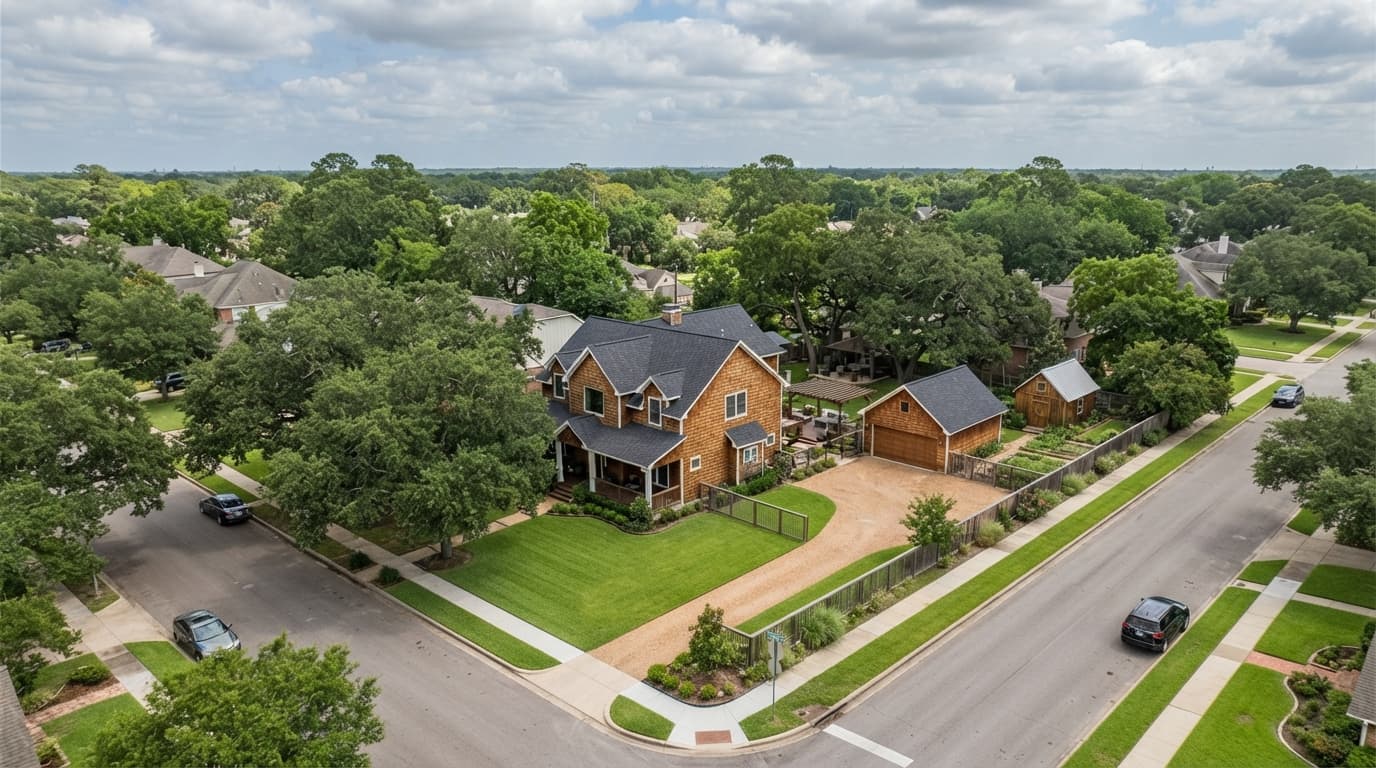
One of the biggest misunderstandings in Port Arthur home insurance is flood coverage. A standard homeowners policy generally does not cover flood damage caused by rising water, storm surge, or overflow from heavy rainfall that enters the home from outside. Because Port Arthur is close to the coast and vulnerable to intense rain events, this is a major gap to understand. Some homeowners are in mapped flood zones, but flood exposure is not limited to those areas alone. Streets can back up, drainage systems can be overwhelmed, and homes outside high-risk zones can still flood. Reviewing elevation, flood zone status, lender requirements, and separate flood policy options is an essential step before the next severe weather season arrives.
Wind and Hail Deductibles Can Change Your Out-of-Pocket Cost
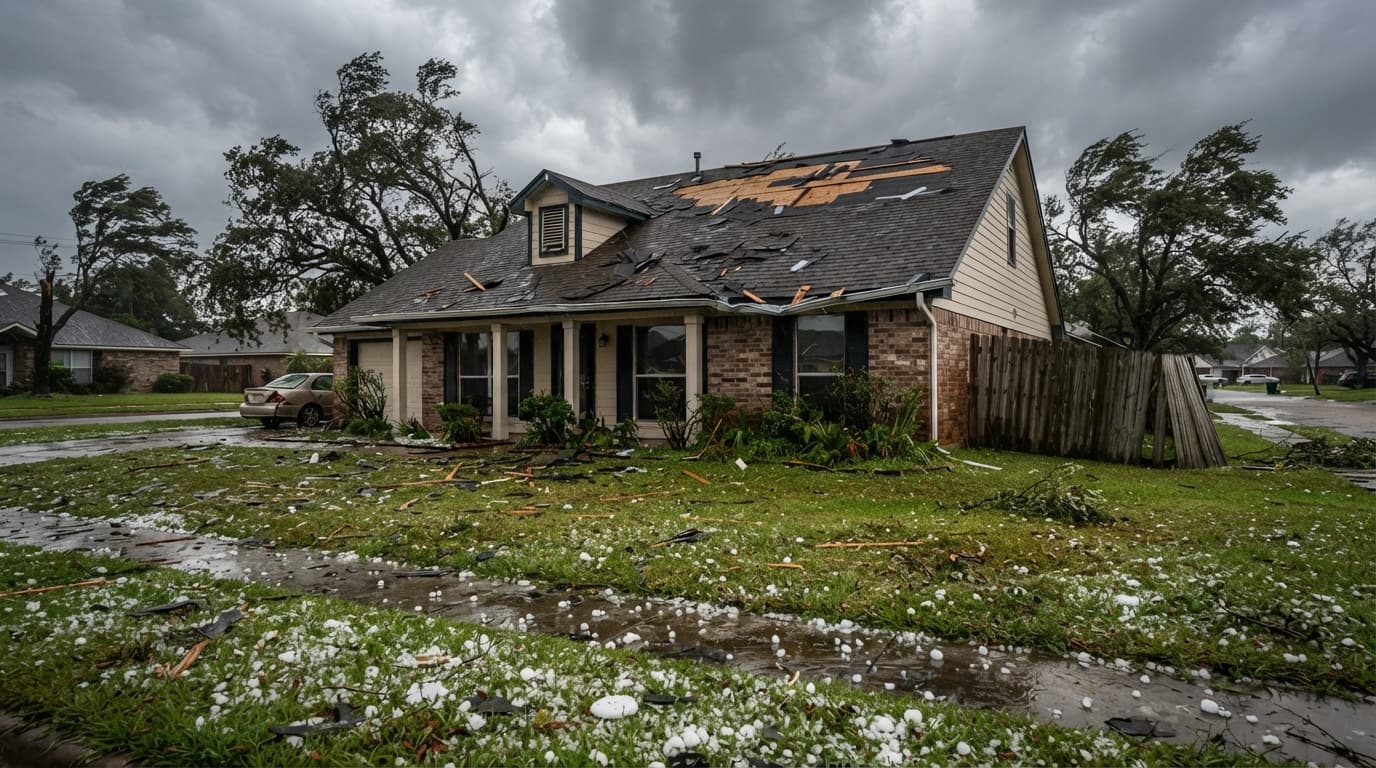
In Port Arthur, the deductible is just as important as the premium. Many homeowners focus on the monthly price and overlook how much they would need to pay themselves if a wind or hail claim occurs. Some policies have separate percentage-based deductibles for named storms, hurricanes, or wind events. That means the out-of-pocket amount may be based on the insured value of the home, not a flat dollar figure. On a higher-value property, that difference can be significant. Homeowners should compare not only premium quotes but also the exact deductible structure, the triggers for each deductible, and whether the policy treats roof claims, hail claims, and hurricane-related losses differently from other property damage claims.
Roof Age, Condition, and Updates Matter More Than Many Owners Expect
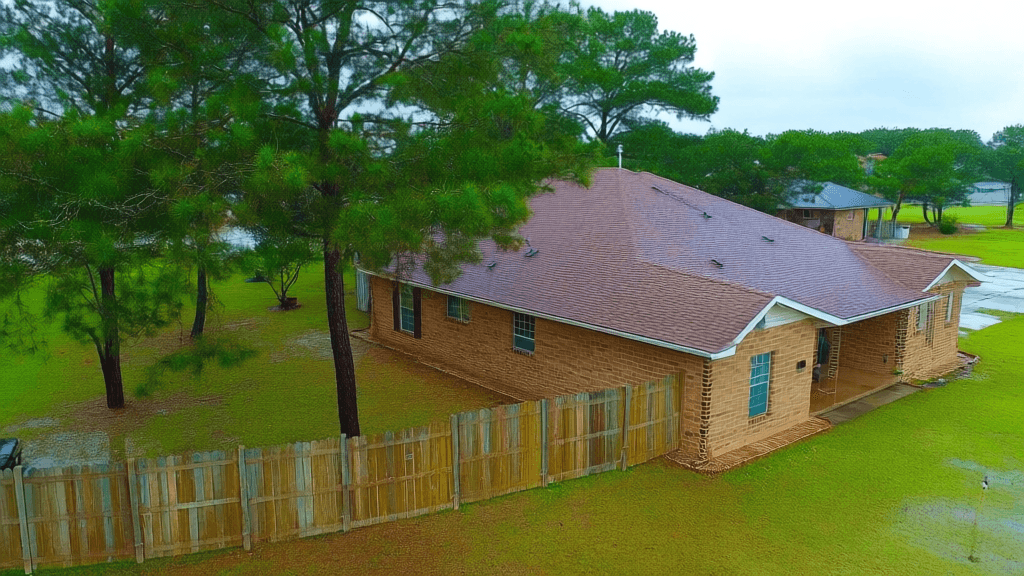
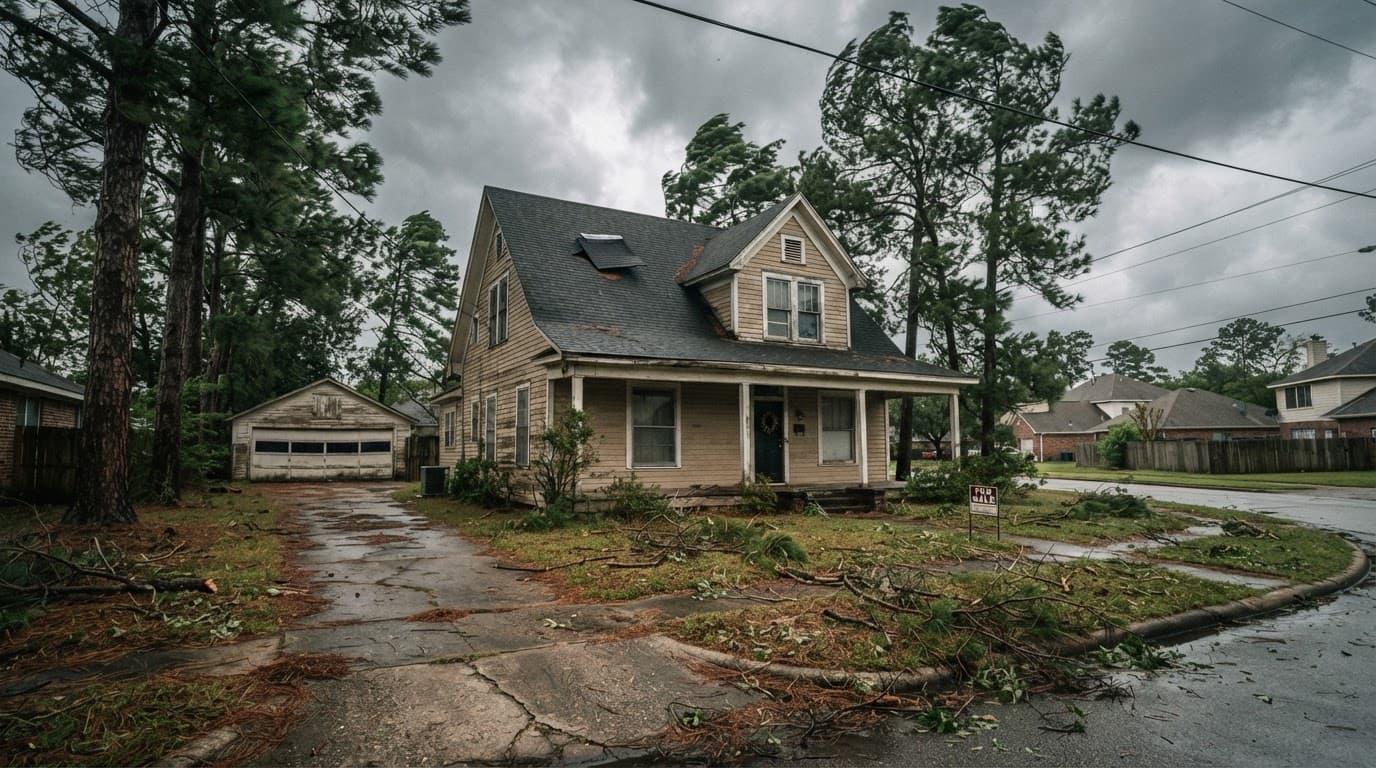
In Southeast Texas, insurers often look closely at the roof because it is one of the first lines of defense against wind, hail, and water intrusion. A home in Port Arthur with an older roof, visible wear, prior patching, or outdated materials may face higher premiums, limited coverage terms, or inspection requirements before binding coverage. The same can be true for aging plumbing, electrical systems, and HVAC components if they increase the chance of future claims. Homeowners who keep records of roof replacement dates, permits, updates, and maintenance often have an easier time answering underwriting questions. If a roof is nearing the end of its life, replacing it before shopping for coverage can sometimes improve policy options and reduce the chance of claim disputes later.
Local Conditions in Port Arthur Affect Coverage Choices
Port Arthur has a unique risk profile compared with places farther inland like Kountze or Silsbee. Coastal exposure, industrial corridors, low-lying areas, and intense Gulf weather all influence how homeowners should think about protection. A house near areas that have seen repeated flooding or storm impact may need more careful review of exclusions, deductibles, and separate policies. Even neighborhoods that seem relatively sheltered can still deal with wind-blown debris, prolonged power outages, and water damage following severe storms. Homeowners in nearby communities such as Groves, Nederland, Bridge City, and Orange often face similar concerns, but Port Arthur deserves especially close attention because local geography can quickly turn a routine policy into one with meaningful gaps.
Key Takeaways Before You Buy or Renew
What To Review Carefully
- Confirm whether flood coverage is separate and whether your property has exposure even if it is outside a high-risk mapped zone.
- Check if wind, hail, or hurricane losses use a percentage deductible instead of a flat deductible.
- Review whether the policy settles claims at replacement cost or actual cash value, especially for the roof and personal property.
- Be ready to answer questions about roof age, plumbing, wiring, prior claims, and any recent renovations or repairs.
- Compare exclusions and endorsements, not just premium, because cheaper coverage can leave larger gaps after a major storm.

How to Take the Next Step
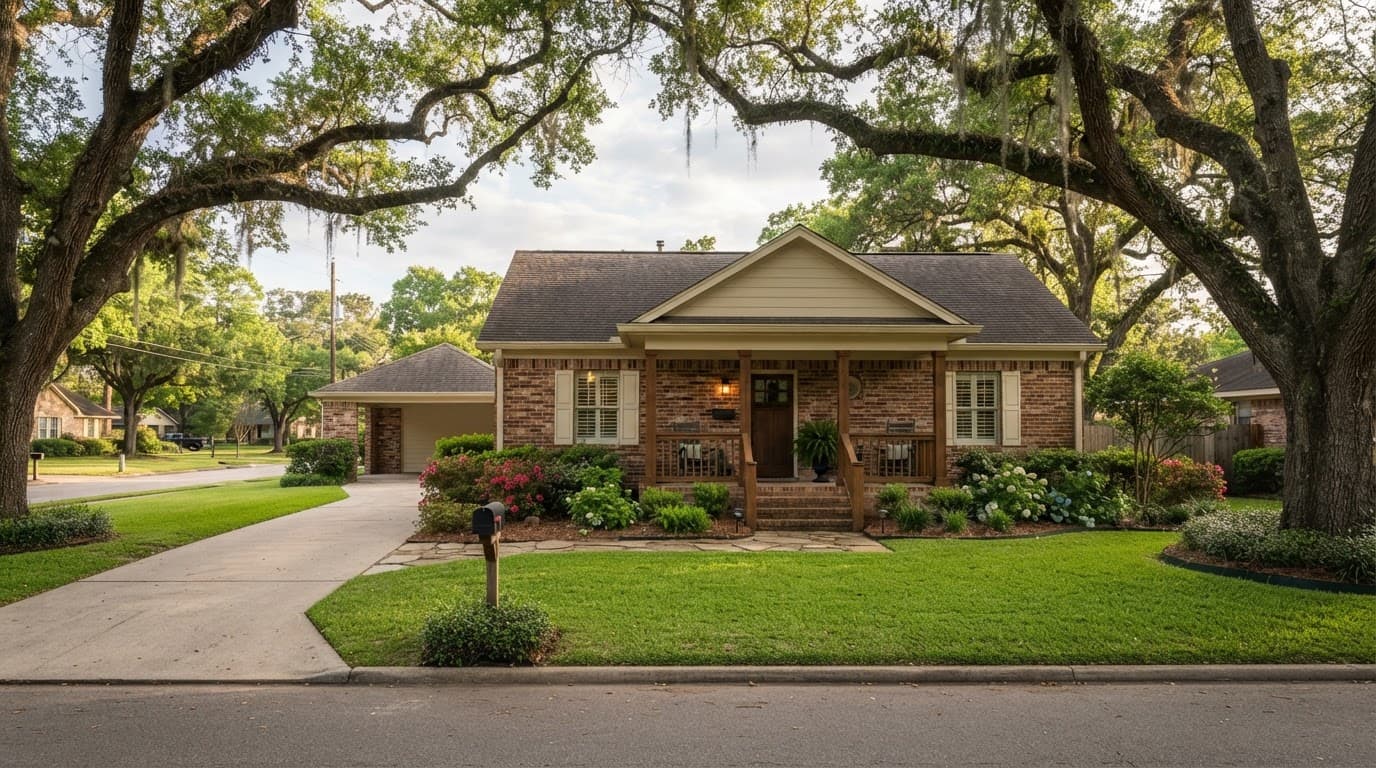
If you own a home in Port Arthur, start by reviewing your current declarations page, deductible amounts, endorsements, and any exclusions related to wind or water. Then gather practical details about the property such as roof age, square footage, updates, prior claims, and whether you carry flood insurance separately. When comparing quotes, make sure each option uses similar coverage limits so the comparison is fair. Homeowners in Beaumont and surrounding areas often find that the best policy is not simply the lowest-priced one, but the one that matches local risk most accurately. A careful review before renewal can help you avoid underinsuring the home or learning too late that an important loss is not covered.