Why Bridge City Homeowners Should Review Coverage Closely
Owning a home in the Beaumont area comes with a different insurance checklist than owning one farther inland. For Bridge City homeowners, the conversation usually starts with storms, but it should also include roof age, water backup, deductible structure, and whether the policy still reflects current rebuild costs. Many people assume a policy they bought a few years ago is still a good fit, even after construction prices, severe weather patterns, and home values have changed. This guide breaks down the main things to review so homeowners in Bridge City, Beaumont, and nearby communities can make smarter coverage decisions before the next claim situation puts those assumptions to the test.
What Makes This Area Different
Bridge City sits in a part of Southeast Texas where insurance questions tend to be more specific than average. Homes may face a mix of wind exposure, heavy rain, drainage issues, hail, humidity-related wear, and seasonal storm threats coming off the Gulf. That means policy details matter more than headline price. A lower premium can look attractive until a homeowner realizes the wind deductible is separate, the water damage language is narrow, or detached structures are underinsured. Across Bridge City, Orange, Port Arthur, and Beaumont, local conditions often shape claims more than homeowners expect, which is why area-specific insurance planning is less about buying a policy and more about matching coverage to real property risks.
Start With Dwelling Coverage and Rebuild Cost
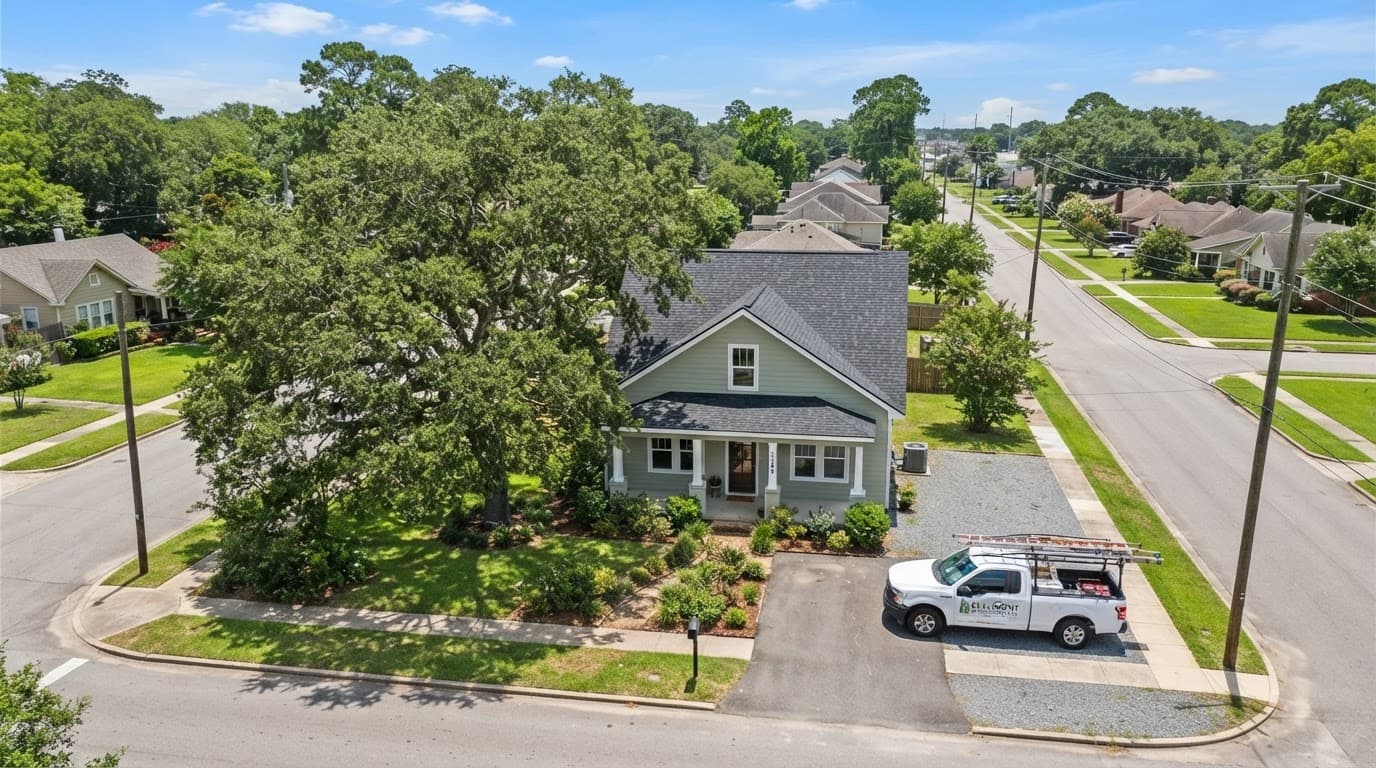
One of the most important tips for Bridge City homeowners is to focus on what it would cost to rebuild the house today, not what was originally paid for it and not just what the county appraisal says. Dwelling coverage should reflect labor, materials, debris removal, and code-related rebuilding expenses after a major loss. In Southeast Texas, storm-related demand can push contractor pricing up fast after widespread damage. If a policy has not been reviewed recently, the coverage limit may lag behind current costs. Homeowners in Bridge City and Beaumont should also check whether upgrades like a renovated kitchen, new flooring, a garage conversion, or added square footage have been reported, since unreported improvements can leave a gap at claim time.
Understand Wind, Hail, and Water Limits Before Storm Season
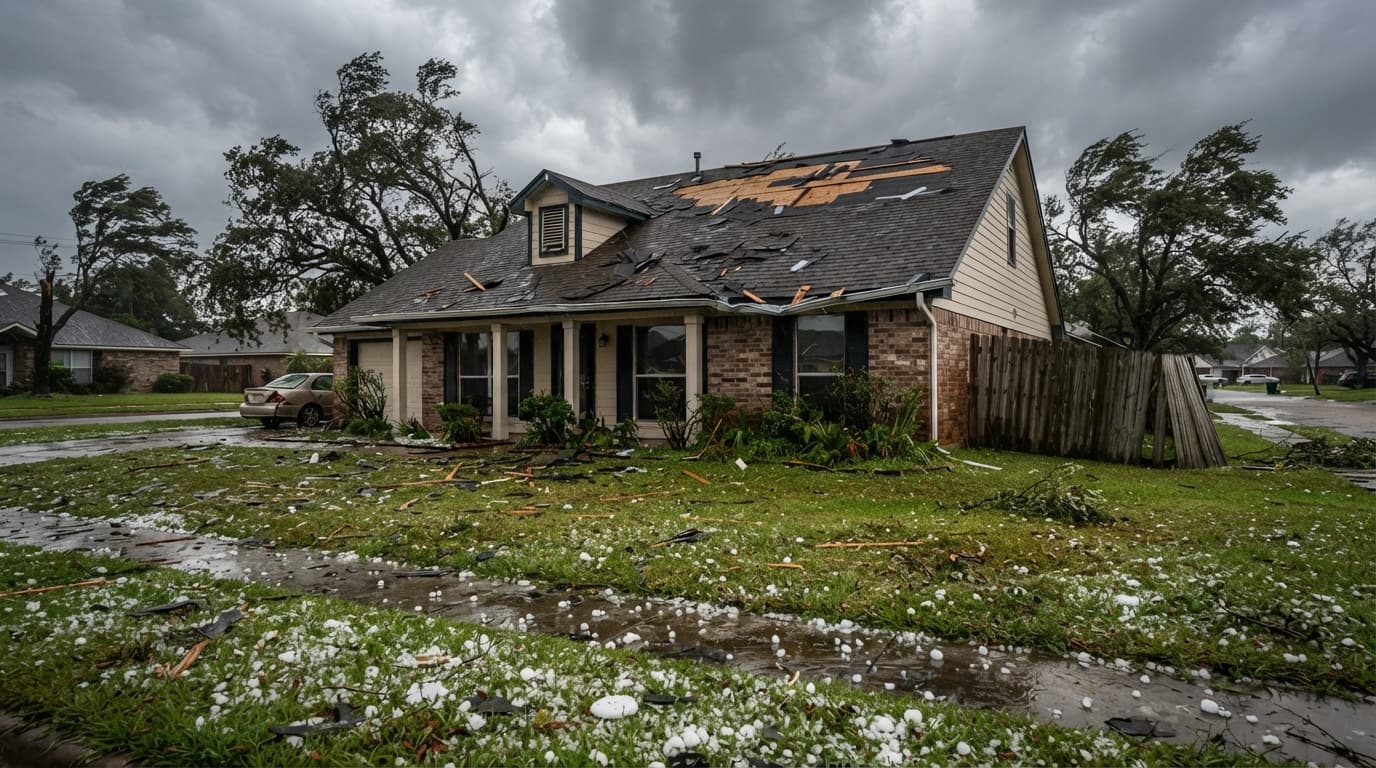
A common mistake is assuming all storm damage is handled the same way. In reality, homeowners in Bridge City need to read the sections on wind, hail, hurricane deductibles, and water exclusions carefully. Wind-driven rain, roof damage, fallen trees, and interior water damage may be treated differently depending on the cause and policy wording. Flood damage is typically not included in a standard homeowners policy, which surprises many buyers until a lender or past weather event forces a closer look. In low-lying parts of the greater Beaumont area, it is worth comparing homeowners coverage with any separate flood protection under consideration. The goal is to understand where one policy stops, where another begins, and what out-of-pocket costs could apply after a storm.
Do Not Overlook Roof Age, Maintenance, and Deductibles
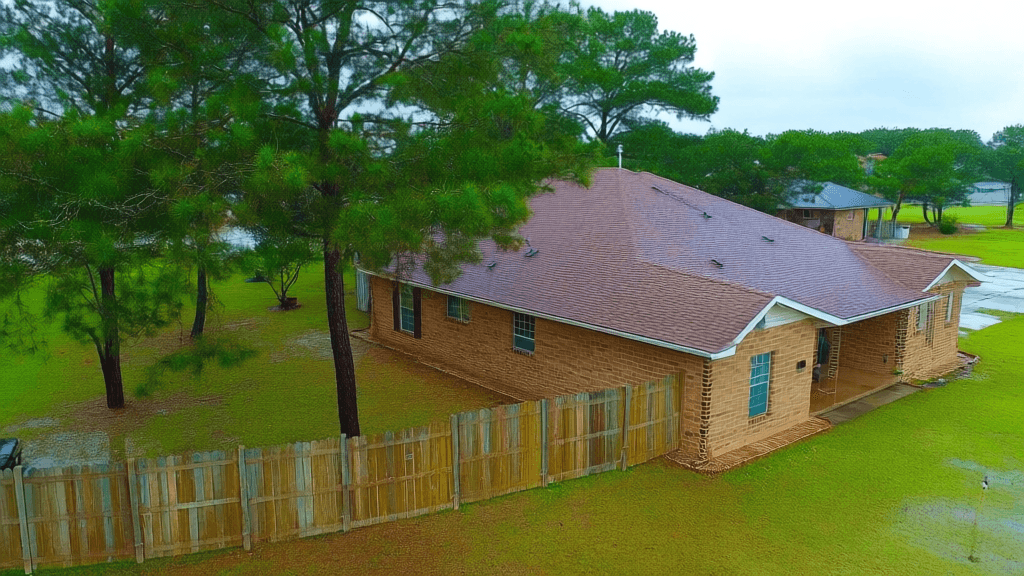
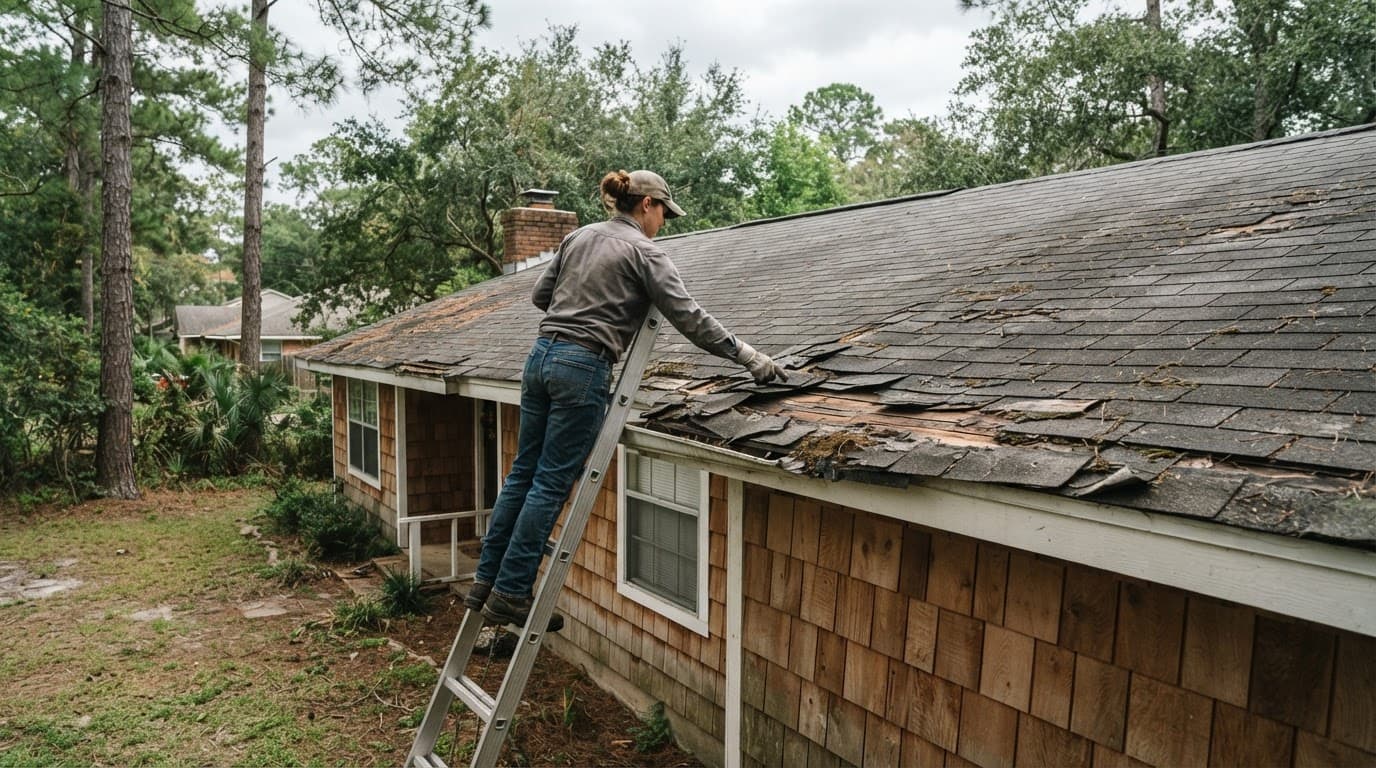
Roof condition plays a major role in both pricing and claim handling, especially in places like Bridge City where wind and hail can test older materials. Homeowners should know the age of the roof, the material type, when repairs were last completed, and whether the insurer values losses on a replacement cost basis or an actual cash value basis. That difference can change a payout significantly because depreciation reduces what is reimbursed under actual cash value. It is also smart to review whether the deductible is a flat amount or a percentage of the dwelling limit. In Beaumont, Nederland, and Groves, homeowners sometimes focus on premium savings without realizing a percentage deductible can create a much larger bill after a severe weather claim.
Local Property Risks Around Bridge City and Beaumont
Bridge City homeowners are not dealing with theoretical risks. This part of Texas sees intense rainfall, tropical weather concerns, prolonged humidity, and maintenance issues that can become insurance issues if left unresolved. A small roof leak can turn into a denied claim question if the carrier believes the damage developed over time rather than from a sudden covered event. The same is true for plumbing leaks, foundation movement discussions, and mold-related limitations. Homes near waterways or in areas with a history of drainage trouble may need extra attention beyond a standard policy review. The closer the property is to recurring weather or water concerns seen across Orange County and the Beaumont area, the more important it becomes to document the home’s condition and review coverage regularly.
Ways To Lower Cost Without Stripping Away Protection
Key Takeaways
- Compare the same coverage limits and deductibles across quotes so a lower price is a true apples-to-apples comparison.
- Ask whether bundling, claim-free history, protective devices, or newer roof materials qualify for discounts in Bridge City and Beaumont.
- Raise a deductible only if the amount is realistic to pay after a storm or major water loss.
- Document updates like electrical work, plumbing replacement, impact-resistant roofing, or security improvements because they may improve eligibility or pricing.
- Review personal property, loss of use, and detached structure limits along with the dwelling amount so savings in one area do not create a larger gap elsewhere.

What To Do Next If You Own a Home in Bridge City
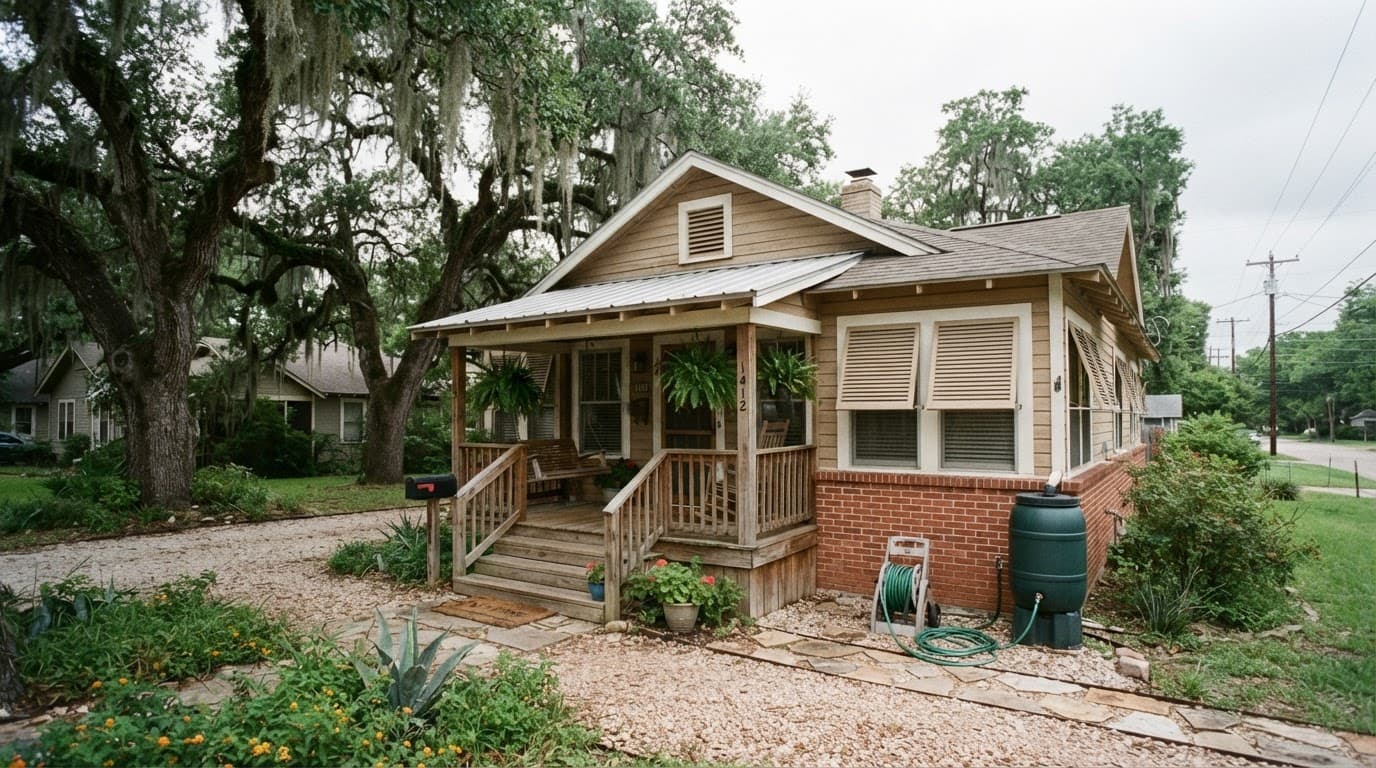
A good next step is to pull out the current declarations page and review the policy line by line with a few practical questions in mind. Is the dwelling limit high enough for current rebuild costs in the Beaumont area? Are wind and hail deductibles clearly understood? Is there a separate need for flood coverage? Have recent upgrades been reported? Are valuables, detached buildings, and temporary living expenses covered at realistic levels? Homeowners in Bridge City, Vidor, Orange, and nearby communities should compare options using the same assumptions instead of choosing based on premium alone. A careful review now can make a major difference later, especially when severe weather, water damage, or a large repair bill turns policy fine print into a real financial issue.