Why Windstorm and Hail Coverage Matters in Beaumont
In Beaumont, storm season is not an abstract concern. Homeowners here deal with strong thunderstorms, tropical systems moving in from the Gulf, heavy rain bands, and the kind of wind that can lift shingles, break fencing, and drive water into vulnerable parts of a house. Hail can add a second layer of damage by bruising roofing materials, denting vents and gutters, and shortening the life of a roof even when leaks are not obvious right away. That is why it helps to understand how home insurance treats windstorm and hail damage before a claim happens. This guide breaks down the differences, the deductibles to watch, and the steps Beaumont residents can take to protect their homes and budgets.
How These Risks Show Up Across Southeast Texas
Beaumont sits in a part of Texas where weather patterns can change quickly, especially from late spring through hurricane season. A single storm may bring straight-line winds, hail, wind-driven rain, fallen limbs, and power outages all at once. That creates confusion because homeowners often assume all storm damage is handled the same way. In reality, policy wording, separate deductibles, and the actual cause of loss can all affect how a claim is paid. In nearby communities like Vidor, Orange, Port Arthur, and Nederland, similar housing stock and weather exposure mean many owners face the same questions. The local risk is not just one dramatic event, but repeated smaller storms that wear down roofs, siding, windows, and exterior structures over time.
What Counts as Windstorm Damage
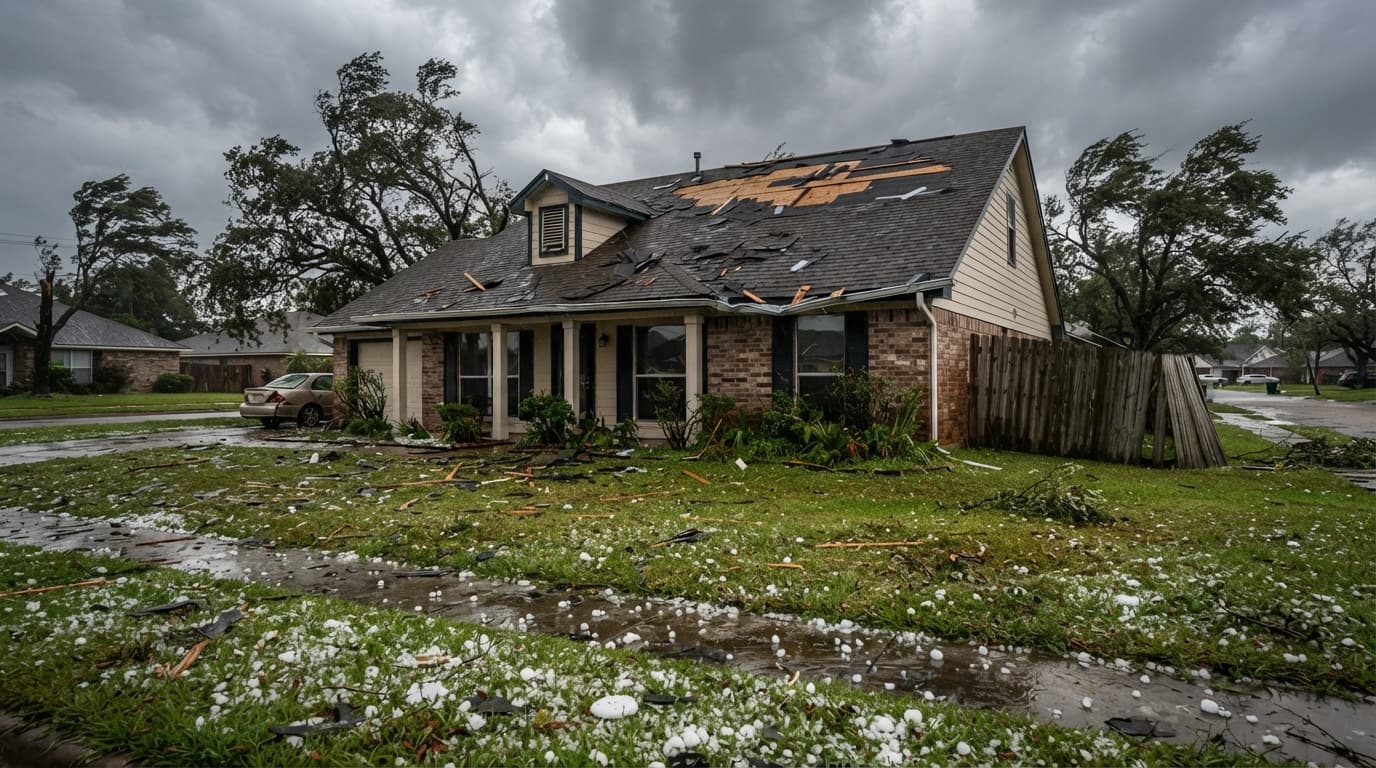
Windstorm damage usually refers to loss caused by strong winds, gusts, or storm forces that physically damage the home. In Beaumont, that may mean missing shingles after a thunderstorm, soffit and fascia damage, torn roof flashing, broken fencing, or a tree limb crashing into the structure. If wind creates an opening in the roof or wall and rain enters through that new opening, the resulting interior damage may also be part of the claim. The important issue is causation. Insurers want to know whether the wind directly caused the damage or whether the problem came from wear, poor maintenance, or older materials already near failure. A roof with visible age and prior deterioration can make this distinction more contested, which is why photos and inspection notes matter so much.
What Counts as Hail Damage
Hail damage is different because it often appears as impact damage rather than tearing or lifting. On asphalt shingles, hail may knock off granules, leave dark spots, or create soft bruises that reduce the roof's service life. Metal vents, gutters, downspouts, and window screens may show dents that help confirm a hail event occurred. In Beaumont, hail may be less frequent than heavy wind and rain, but when it hits, it can create hidden damage that is easy to miss from the ground. A homeowner may see only a few scattered signs while a trained inspection reveals broader functional damage. That is one reason insurers frequently look closely at roof age, prior condition, and whether marks are truly hail impacts or just normal weathering from Southeast Texas heat and moisture.
Why the Deductible Can Change the Whole Claim
One of the biggest surprises for homeowners in Beaumont is that windstorm or hail losses may be subject to a separate deductible instead of the standard all-peril deductible shown on the declarations page. In Texas, that deductible is often a percentage of the dwelling coverage amount rather than a flat dollar figure. For example, a 2 percent wind or hail deductible on a home insured for $300,000 means the owner could be responsible for $6,000 before insurance pays for covered damage. That can make a moderate roof claim feel very different financially than a kitchen leak or theft claim. Before storm season, it is smart to verify whether the policy uses one combined wind and hail deductible, whether endorsements modify the terms, and whether roof settlement is based on replacement cost or actual cash value.
Common Coverage Gaps Homeowners Miss
Many claim disputes do not start with the storm itself. They start with assumptions about what the policy covers. A homeowner may expect full roof replacement, only to learn the roof is settled on an actual cash value basis, meaning depreciation is subtracted. Others discover exclusions tied to cosmetic damage, older roofing materials, or repeated seepage that was not caused by a sudden covered event. In Beaumont and nearby places like Groves, Bridge City, and Lumberton, detached structures such as sheds, fences, and carports also take a beating during storms, but coverage limits for those items may be lower than expected. It is also important to remember that flood damage from rising water is not the same as wind-driven rain damage, and flood losses generally require separate flood insurance.
How to Document Windstorm or Hail Damage the Right Way
After a storm in Beaumont, careful documentation can make the claims process smoother and reduce disagreements later. Start with date-stamped photos of the roofline, gutters, siding, windows, fences, and any interior water staining. If safe, document fallen branches, damaged outdoor equipment, and debris patterns that show wind direction or impact points. Keep notes about when the storm hit, what sounds were heard, and when damage was first noticed. Save receipts for emergency mitigation such as tarping, water extraction, or temporary repairs meant to prevent further loss. Homeowners in Port Arthur, Orange, and Silsbee should also avoid rushing into permanent repairs before the insurer has had a chance to inspect, unless immediate work is necessary to stop active damage. Good records help show that the loss was sudden, recent, and storm-related.
What Makes Beaumont Especially Relevant
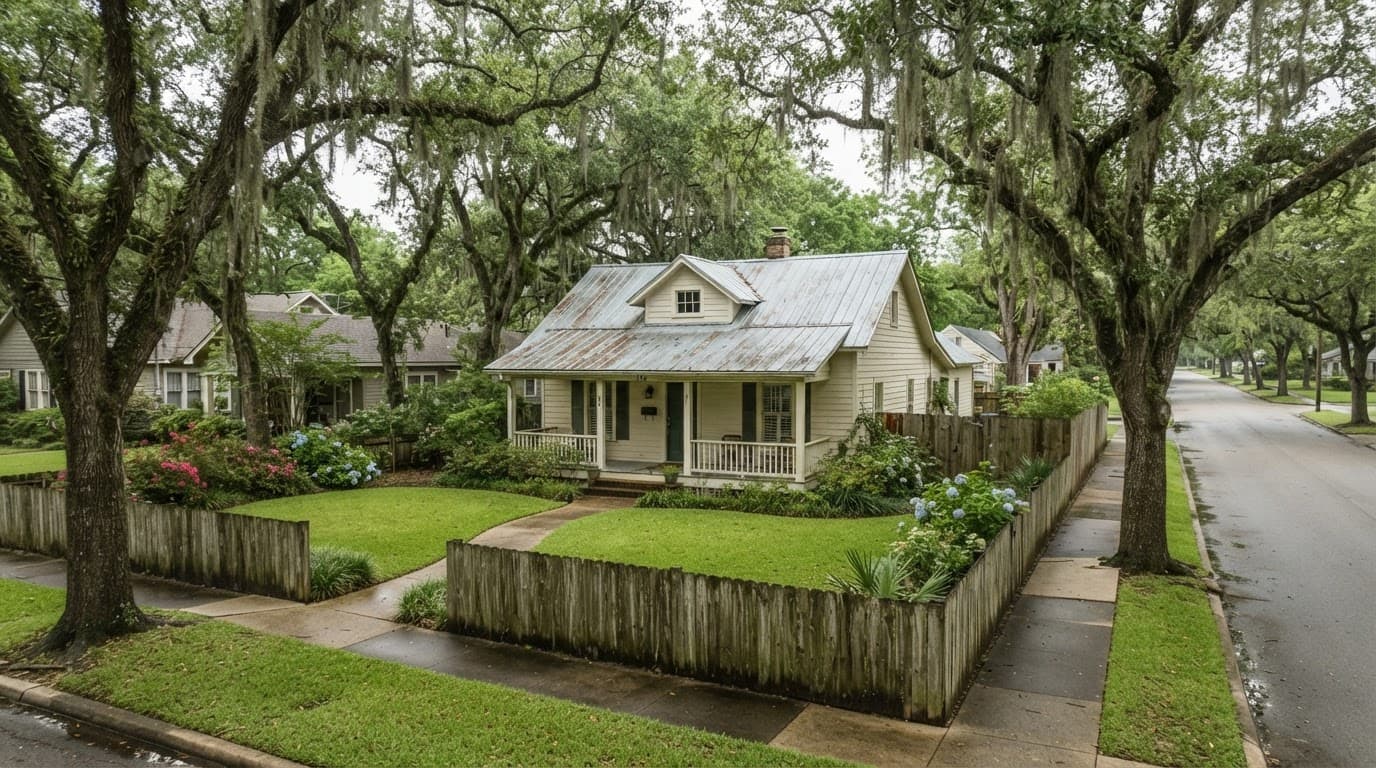
Beaumont homes face a weather mix that makes storm preparedness more important than in many inland markets. Gulf moisture, severe thunderstorms, tropical weather, and long periods of heat all affect roofing systems differently. High humidity can mask early signs of roof failure because staining and moisture issues may appear gradually after a storm rather than immediately. Neighborhoods with mature trees may see more limb damage, while exposed areas can take stronger wind loads across roofing edges and fences. The same concerns extend into Vidor, Kountze, China, and Nederland, where many homes have aging roofs and detached structures that may not hold up well in a severe event. For local homeowners, the right question is not only whether wind and hail are covered, but how the policy responds to the exact types of storm losses common in Beaumont.
Key Takeaways for Beaumont Homeowners
Key Points
- Windstorm damage usually involves lifting, tearing, breakage, or impact from strong winds, while hail damage is more often identified by bruising, dents, and granule loss.
- Check whether the policy has a separate wind or hail deductible, especially if it is percentage-based, because that directly affects out-of-pocket costs after a claim.
- Review whether the roof is insured at replacement cost or actual cash value, since depreciation can significantly reduce a settlement on an older roof.
- Take photos immediately after a storm, keep receipts for temporary repairs, and document when damage was first noticed to support the cause of loss.
- Do not assume flood damage is included in a wind claim. In Beaumont, rising water and storm surge are separate exposures that typically require flood coverage.

What to Do Before the Next Storm
The best time to sort out windstorm and hail coverage is before dark clouds roll into Beaumont. Review the declarations page, deductible amounts, roof settlement terms, and endorsements that change how storm losses are paid. Compare quotes carefully, not just on premium, but on whether the policy offers replacement cost for the dwelling and roof, adequate coverage for detached structures, and a deductible you could realistically handle after a major event. It also helps to keep a current home inventory, trim overhanging limbs, and schedule roof inspections if the roof is older or has had previous repairs. When homeowners in Beaumont, Port Arthur, Orange, or Lumberton understand these details in advance, they are better positioned to choose coverage that fits local weather risks instead of finding out too late where the gaps are.