Why Detached Building Coverage Matters in Sour Lake
Many homeowners in the Beaumont area focus on the house itself and forget that a policy often treats detached buildings differently. In Sour Lake, that can become a costly oversight if a windstorm damages a backyard shop, a fallen tree crushes a storage shed, or a fire spreads to a detached garage. Other structures coverage is the part of a home policy that typically helps pay for covered damage to buildings separated from the main home by a clear space. This guide explains what that coverage usually includes, where the limits can fall short, and what local homeowners should review before the next claim situation puts those structures to the test.
What Other Structures Coverage Usually Means
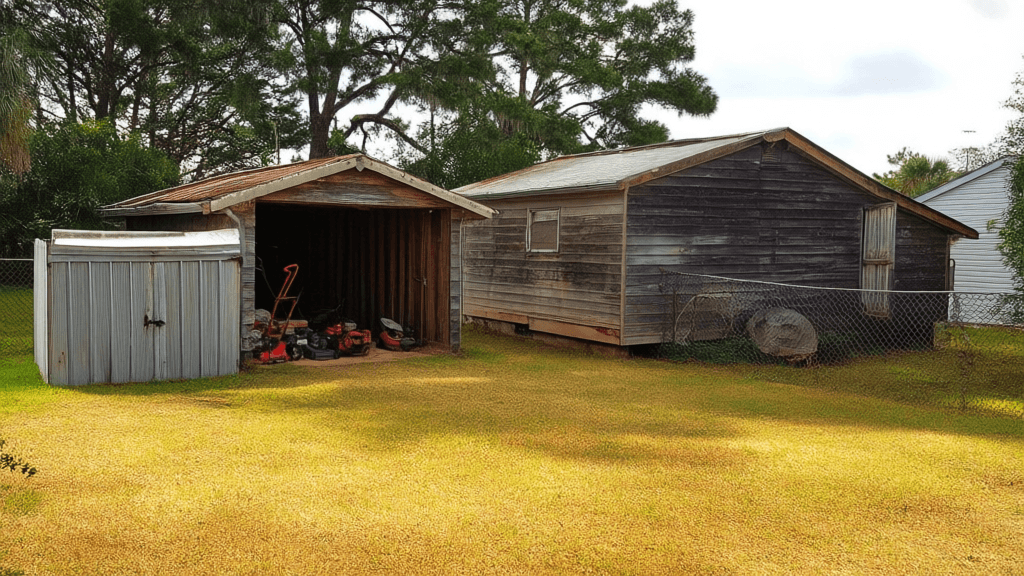
Other structures coverage generally applies to property such as detached garages, fences, gazebos, carports, workshops, and storage buildings. It is usually listed as a percentage of the dwelling limit rather than as a separate number chosen from scratch. For example, if a home is insured for a certain amount, the detached structure limit may automatically be set at a smaller percentage of that figure. That works well for simple fences or small sheds, but it may not be enough for larger metal buildings, custom workshops, or detached garages with electrical service and built-in storage. In a place like Sour Lake, where many properties have extra outbuildings, that detail deserves a close read.
Which Detached Buildings Are Commonly Covered
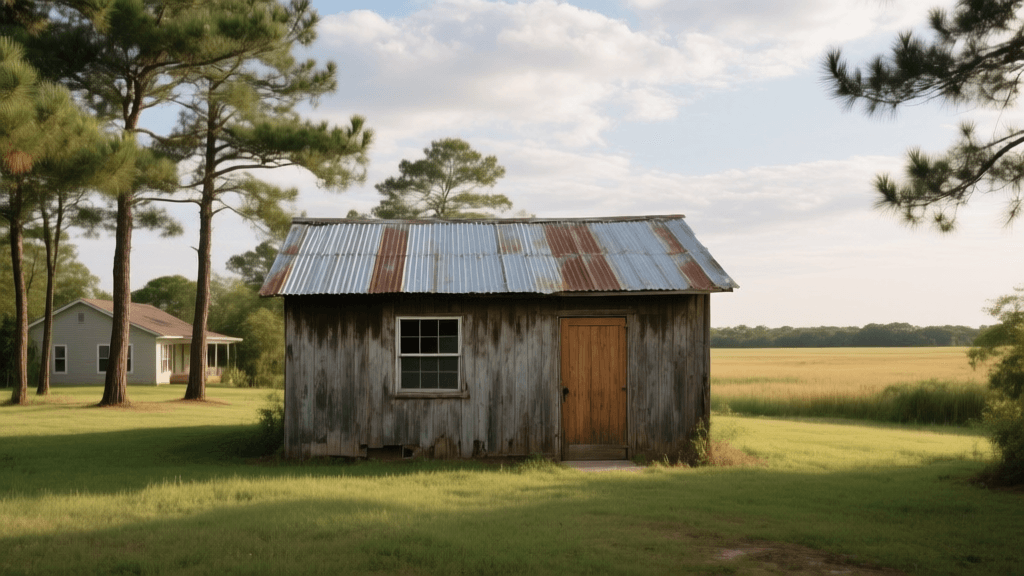
A standard policy often extends other structures coverage to buildings that are not attached to the house, but homeowners should never assume every backyard structure qualifies automatically. A detached garage used for parking personal vehicles is commonly within the intended scope. A tool shed, privacy fence, greenhouse, or freestanding covered patio may also fit. Problems tend to arise when a structure has a more specialized use, such as a workshop for business activity, a rental unit, or a large outbuilding storing high-value equipment. In those cases, the structure may need added endorsements, higher limits, or different coverage entirely. The key is matching the way the building is actually used to the way the policy describes it.
Local Risks That Can Affect Detached Structures
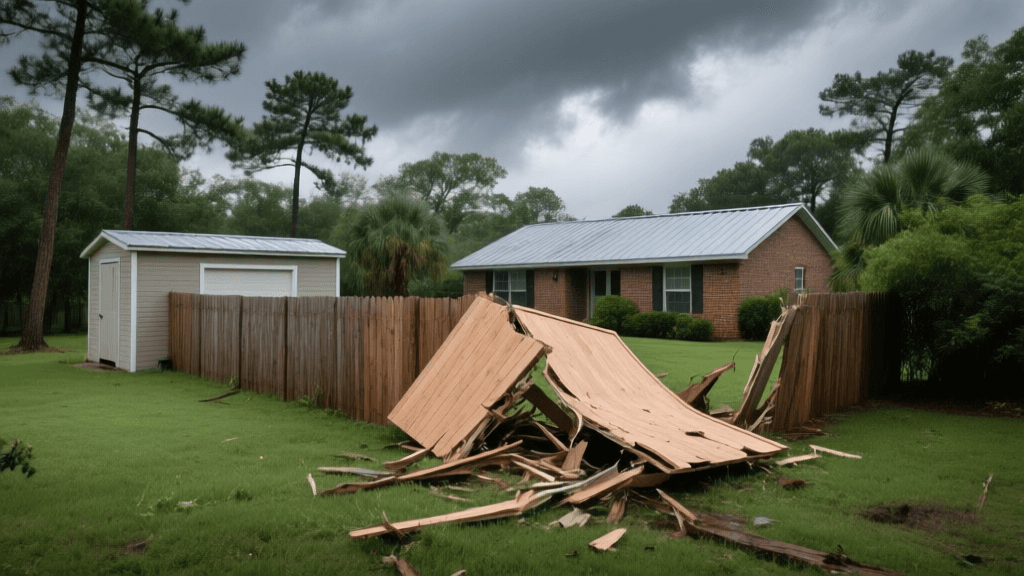
Sour Lake homeowners face risks that can hit detached buildings just as hard as the main house. Strong winds and severe thunderstorms moving through Jefferson and Hardin County can tear roofing panels from a shop or knock fencing flat. Heavy rain can lead to drainage issues around sheds and slab foundations, especially on lower-lying lots. Falling limbs are another common concern, particularly on older properties with mature trees. Even when flood damage is excluded from a standard homeowners policy, owners sometimes assume all water-related damage is covered, which can create surprise at claim time. Reviewing local weather exposure and the exact cause of loss language in the policy is one of the smartest steps a homeowner can take.
When Your Limit May Be Too Low
One of the biggest mistakes with other structures coverage is assuming the default limit is enough. That can be untrue if a property includes a detached garage with plumbing, a finished hobby building, a metal shop, or extensive fencing across a large lot. Construction costs in and around Beaumont have remained elevated, and even a modest detached building can cost far more to rebuild than homeowners expect. Materials, labor, electrical work, permits, and debris removal all add up quickly after a storm or fire. A homeowner who has added a carport, expanded a workshop, or upgraded a shed over time should review whether the current limit still reflects present-day replacement cost rather than the structure’s age or original build price.
How Use of the Building Can Change Coverage
The use of a detached structure matters as much as the structure itself. A simple backyard shed holding lawn tools is very different from a detached building used for a side business, woodworking shop, or short-term guest space. Homeowners in Sour Lake, Vidor, and Lumberton sometimes convert outbuildings over time without realizing the policy may not respond the same way after that change. Business property limits may be lower, liability issues may increase, and some losses may fall outside standard homeowners coverage altogether. If a detached building has air conditioning, internet service, specialized tools, inventory, or frequent visitors, it is worth reviewing whether the structure is still being insured appropriately under a normal homeowners setup.
Why This Topic Is Especially Relevant Around Beaumont
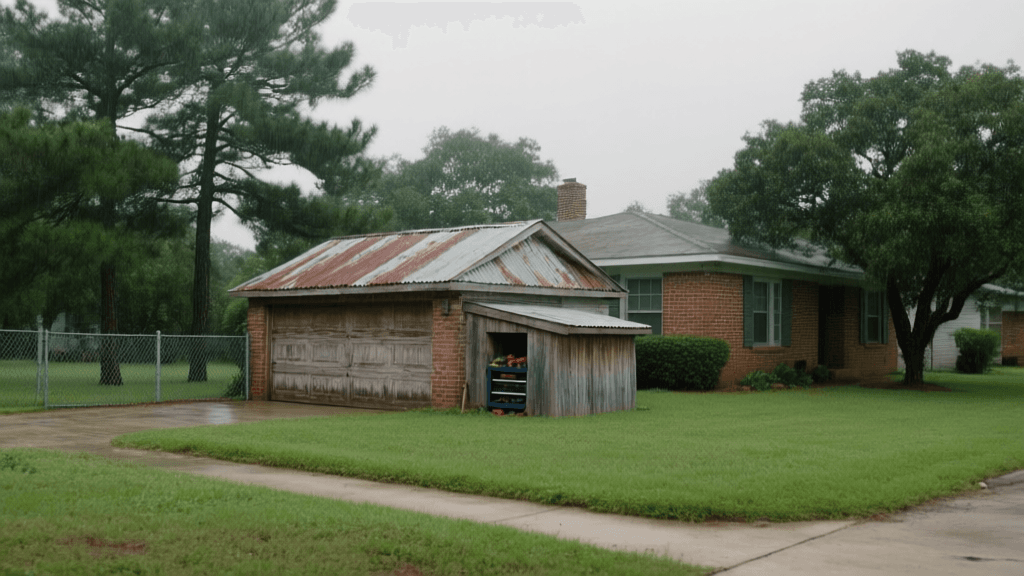
Properties around Beaumont often have more outdoor improvements and detached structures than homeowners in denser neighborhoods realize. In nearby areas such as Sour Lake, Kountze, Silsbee, and China, larger lots may include long perimeter fencing, boat or equipment storage, workshops, and older detached garages built in a different era. Those buildings can be useful every day but easy to overlook during an insurance review. Local weather patterns also make that oversight more serious, since wind-driven rain, hail, and falling debris can affect structures spread across the lot, not just the home itself. For homeowners in Southeast Texas, detached building coverage is not a technical footnote; it is a practical part of protecting the whole property.
Key Takeaways for Homeowners
- Confirm which detached buildings on the property are treated as other structures, including garages, sheds, fences, and workshops.
- Check whether the other structures limit is a percentage of the dwelling amount and compare that limit to today’s rebuild costs.
- Review how each detached building is used, especially if it stores expensive equipment or supports business activity.
- Ask about exclusions for flood, wear and tear, and other causes of loss that may affect outbuildings differently than expected.
- Update the policy after adding a new shed, extending fencing, remodeling a garage, or building a larger shop.

What to Review Before You Compare Quotes
Before comparing home insurance options, make a simple inventory of every detached structure on the property and note its size, construction type, age, upgrades, and use. Include fencing, gates, detached garages, sheds, and workshops. Take current photos and estimate what it would cost to rebuild each one using similar materials. If a structure has electrical panels, plumbing, insulation, or custom finishes, make sure those details are part of the review. Homeowners in Sour Lake and nearby communities such as Orange, Nederland, and Port Arthur should also consider wind exposure, drainage patterns, and whether separate flood protection may be needed. A more accurate property picture leads to better quote comparisons and fewer surprises when coverage is needed most.
Compare Detached Structure Coverage Carefully
Use this guide as a checklist when reviewing home insurance quotes for Sour Lake and the greater Beaumont area so detached buildings are not left underinsured.
Get a Free Quote