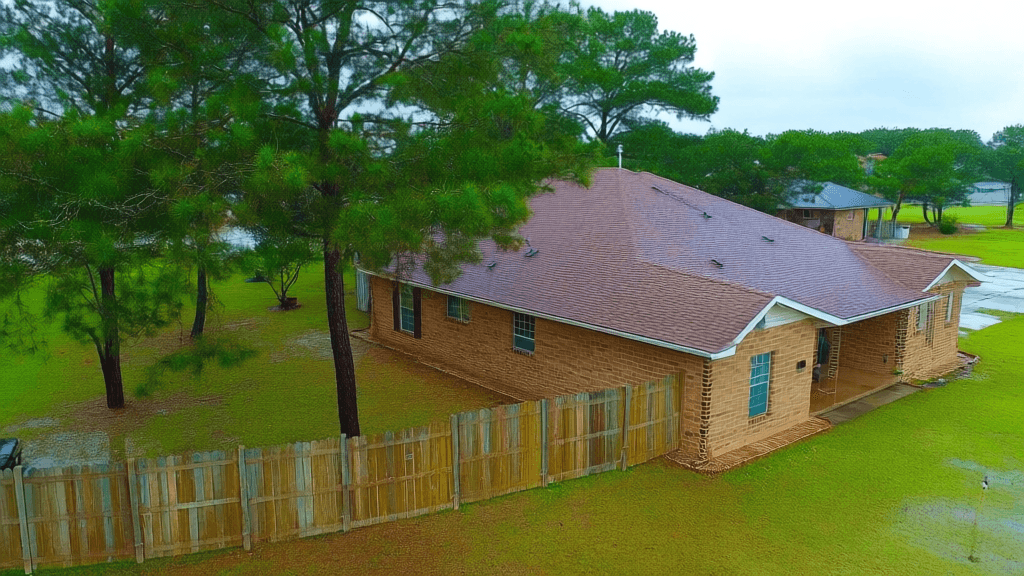
What a Standard Policy Usually Includes
If you own a home in Beaumont, understanding what a typical home insurance policy covers can save you from expensive surprises after a claim. Many homeowners know they need coverage for the house itself, but they are less clear on personal belongings, liability protection, temporary living costs, and the limits that apply to each part of the policy. In a city where wind, heavy rain, fallen trees, and plumbing leaks can all create very different claim situations, the details matter. This guide walks through the main parts of home insurance in Beaumont, TX so readers can better understand what is usually covered and what may require closer review.
Why Coverage Details Matter in Beaumont
Beaumont homeowners face a mix of risks that make policy wording especially important. Southeast Texas weather can bring strong thunderstorms, hail, wind-driven rain, and long periods of humidity that put stress on roofs, siding, and older plumbing systems. Homes near low-lying areas may also have concerns that are not handled the same way as standard water damage. On top of that, rebuilding costs can change over time due to labor shortages, material prices, and regional demand after major storms. That is why a policy should be viewed as more than a checkbox for a mortgage lender. It is a financial tool that needs to match the actual risks tied to owning a home in Beaumont.
Dwelling Coverage Protects the Structure
The part of home insurance most people think about first is dwelling coverage. This protects the physical structure of the house, including walls, roof, attached garage, built-in systems, and often permanently installed fixtures like cabinetry. If a covered event such as fire, wind, hail, or certain sudden accidental damage affects the home, dwelling coverage may help pay for repairs or rebuilding, up to the policy limit. In Beaumont, this matters because roof damage from storms is one of the most common concerns homeowners discuss. A key point is that coverage is based on the cost to repair or rebuild, not the home’s market value, so the limit should be reviewed carefully rather than guessed.
Other Structures and Personal Property
A standard homeowners policy often includes coverage for other structures on the property, such as a detached garage, fence, storage shed, or workshop. That can be important in Beaumont neighborhoods where homeowners may have backyard buildings, boat storage, or detached spaces used for tools and lawn equipment. Personal property coverage is also a major part of the policy. It generally helps cover furniture, clothing, electronics, appliances not built into the home, and many everyday household items if they are damaged by a covered loss. However, higher-value items like jewelry, collectibles, firearms, or specialty equipment may have tighter limits, so homeowners should not assume every possession is fully protected without checking the policy details.
Liability and Guest Injury Coverage
Home insurance usually includes personal liability coverage, which can help if someone is injured on the property or if the homeowner is found responsible for damage to someone else’s property. For example, if a visitor slips on a wet porch during a Beaumont rainstorm or a dog causes injury, liability coverage may help with legal costs, settlements, or medical expenses, depending on the situation and policy terms. There is also typically a smaller no-fault medical payments component that may cover minor guest injuries regardless of fault. This part of the policy is easy to overlook, but it can be just as valuable as property coverage because legal expenses can rise quickly after an accident.
Loss of Use Can Help During Repairs
Another common feature of home insurance is loss of use coverage, sometimes called additional living expenses. If a covered claim makes the home unlivable, this coverage may help pay for temporary housing, extra food costs, and certain added living expenses while repairs are completed. That can be especially relevant in Beaumont after a major storm, fire, or severe water loss, when repairs may take longer because contractors are booked across the region. Many homeowners do not think about where they would stay if the kitchen, roof, or major systems were unusable for weeks. Reviewing this part of the policy can provide a more realistic picture of how protected the household would be after a serious event.
What Is Often Not Covered Automatically
Just as important as knowing what is covered is understanding what usually is not covered by a standard policy. Flood damage is the biggest example for many Beaumont homeowners. Damage from rising water or overflow from outside the home is generally handled separately, not through a typical homeowners policy. Maintenance issues, wear and tear, pest damage, foundation settling, and gradual leaks may also fall outside normal coverage. Even when water damage is covered, the cause matters. A sudden burst pipe may be treated differently than long-term hidden seepage. Because Southeast Texas homes can face both storm-related and moisture-related issues, homeowners should read exclusions and deductibles closely instead of relying on assumptions.
How Local Conditions Affect Claims in Beaumont
Local conditions shape how coverage works in real life. In Beaumont, older homes may have aging electrical systems, original plumbing, or roofs approaching the end of their life span, all of which can affect claim outcomes. Homes in nearby areas like Vidor, Orange, Port Arthur, Nederland, and Groves may face similar storm patterns, but construction type, elevation, and distance from open water can change the level of risk. Tree-lined lots in Lumberton or Silsbee can increase concerns about limb damage after wind events, while lower-lying properties in parts of Jefferson County may prompt closer attention to water exposure. A good policy review should connect the paperwork to the actual home, neighborhood, and local hazards.
Key Takeaways for Homeowners
Key Points
- Dwelling coverage usually protects the house itself from covered losses such as fire, wind, hail, and certain sudden accidental damage, up to the policy limit.
- Other structures coverage may apply to detached garages, sheds, fences, and similar buildings that are separate from the main home.
- Personal property coverage often includes everyday belongings, but expensive items may have special limits that require added review.
- Liability coverage can help with guest injuries, property damage claims, and legal costs tied to accidents on the property.
- Loss of use coverage may help pay for temporary living expenses if a covered claim makes the home unlivable during repairs.
- Flooding, wear and tear, neglect, and many maintenance-related issues are typically not covered under a standard homeowners policy.
- Beaumont homeowners should compare deductibles, exclusions, and coverage limits with local risks such as wind, heavy rain, and water exposure in mind.

What to Review Before Comparing Quotes
Before comparing home insurance options in Beaumont, start by checking whether the dwelling limit reflects realistic rebuilding costs, whether personal property limits fit the household, and whether deductibles are manageable if a storm claim happens tomorrow. It is also smart to review roof age, prior claims, flood exposure, and any detached structures that need protection. Homeowners in Beaumont, Bridge City, Kountze, China, and nearby communities should ask direct questions about water damage distinctions, replacement cost versus actual cash value, and any endorsements that may better match the property. A quote only becomes meaningful when the coverage details are clear, because the lowest premium is not always the best value after a loss.